How to Share Your Tier List on Tier Versus and Make It More Engaging
Published
Learn how to publish your Tier List in the Shared section on Tier Versus and turn a simple ranking into something the community wants to interact with.
Creating a Tier List is only the first step.
What really makes a ranking interesting is what happens after you publish it. When a Tier List reaches other users, invites responses, and encourages alternative versions, it stops being just a personal opinion and becomes part of a fandom conversation.
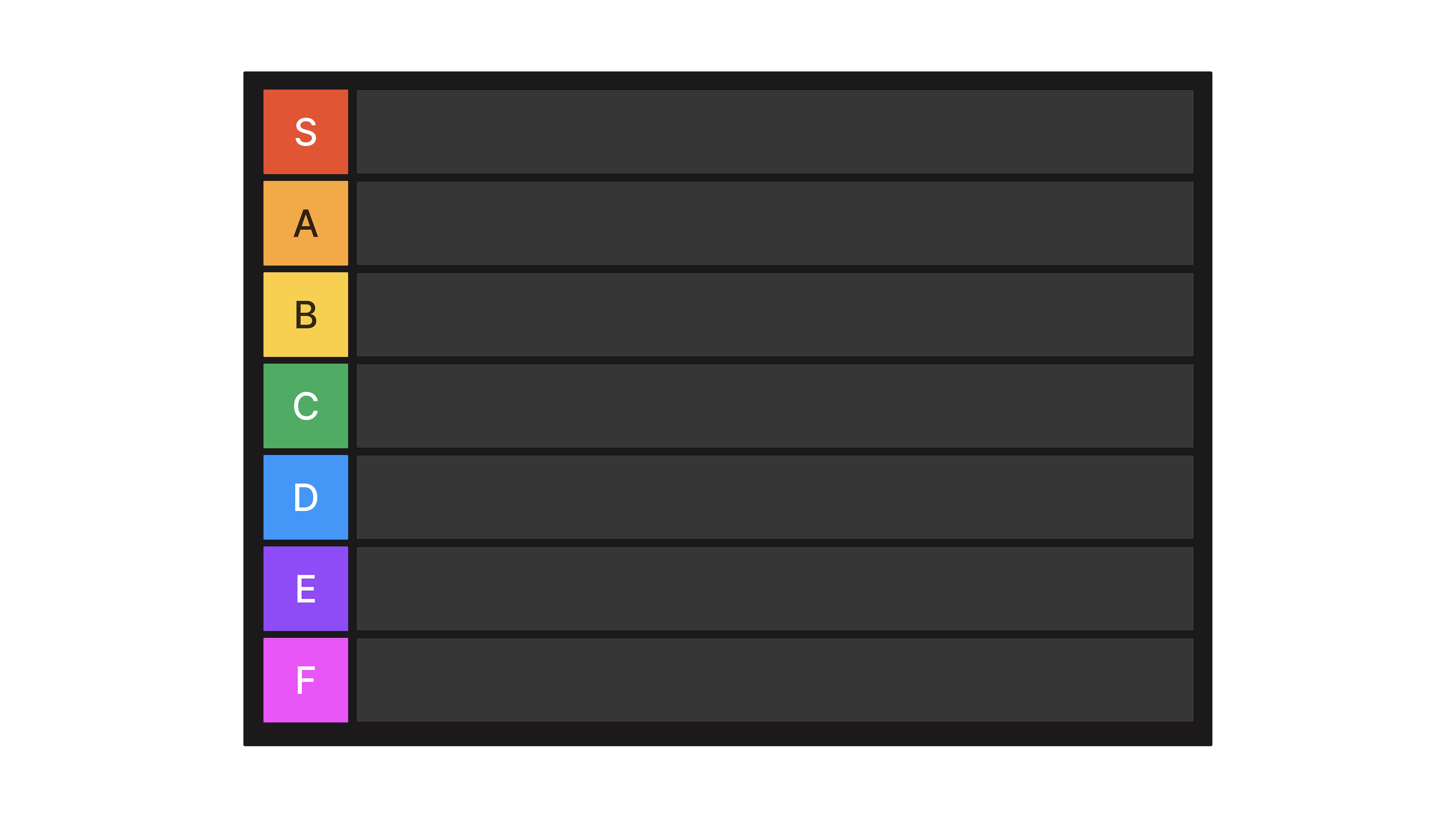
The Shared section on Tier Versus exists exactly for that purpose. It allows your rankings to be discovered, compared, and discussed by other users.
This guide explains how to publish your Tier List properly and how to make it more engaging once it becomes public.
Why sharing your Tier List matters
Many creators finish a ranking and move on immediately. But publishing your list in the Shared section increases its impact in several ways.
Shared Tier Lists can:
- attract alternative rankings from other users
- inspire debate about placements
- help test how people react to your criteria
- generate ideas for future lists
- become the base for videos or blog content
A ranking becomes more valuable when it invites participation.
When a Tier List is ready to be shared
Not every Tier List needs to be public immediately. A stronger approach is to prepare the ranking so readers understand what they are looking at.
Before sharing, check if:
- the comparison theme is clear
- the character selection matches the theme
- the tiers follow a consistent logic
- controversial placements make sense within your criteria
Clarity makes people more willing to respond.
Writing a title that attracts attention inside Shared
The title is the first thing other users see.
Instead of using a generic name like:
“Anime Tier List”
Try something more specific such as:
“Most Strategic Anime Villains Ranked”
or
“Best Supporting Characters in Tournament Arcs”
Specific titles immediately tell readers why your ranking exists.
Add context to your ranking
Even a short explanation improves engagement.
For example, you can mention:
- what criteria you used
- what characters were intentionally excluded
- whether the ranking reflects personal opinion or analysis
- which placements were hardest to decide
This helps readers understand how to react to your list instead of guessing your logic.
Encourage alternative versions from other users
Shared Tier Lists become more interesting when they invite comparison.
You can do this by asking simple questions like:
- Which placements would you change?
- Who belongs in S Tier instead?
- Which character is missing from this list?
- Would your ranking look completely different?
Questions turn passive viewers into participants.
Use Shared lists as part of a ranking series
One Tier List can lead to several related lists over time.
Instead of publishing only one ranking, consider creating a sequence such as:
- best protagonists in one franchise
- strongest rivals in another series
- most creative abilities across genres
- smartest tacticians in seasonal anime
Publishing related rankings helps people recognize your theme and follow your future lists.
Combine Shared with Ranking mode results
One effective strategy is comparing your Tier List with community voting results.
For example:
Create your ranking first.
Then observe how users vote in Ranking mode using categories like Love, Power, Cute, or Hate.
After that, publish an updated Shared Tier List explaining what changed and what stayed the same.
This turns a single ranking into an evolving comparison project.
Make your Shared Tier List easier to discuss
Some rankings are difficult to respond to because they feel too broad.
Focused comparisons work better.
Examples of discussion-friendly themes include:
- rival characters only
- mentors across anime
- seasonal protagonists
- final arc antagonists
- support characters with major impact
Smaller scopes encourage stronger opinions.
Turn Shared rankings into content ideas
Once your Tier List is public, it can become material for additional formats.
For example:
Create a short video explaining your most controversial placements.
Write a follow-up post comparing your ranking with community reactions.
Build a second Tier List responding to suggestions from other users.
Publish a revised version after feedback changes your perspective.
Sharing your ranking creates opportunities instead of ending the process.
Avoid common mistakes when publishing Tier Lists
A few adjustments can improve how readers react to your Shared ranking.
Try to avoid:
titles that are too generic
unclear comparison criteria
including characters outside your theme
very large character pools without explanation
Tier Lists become easier to engage with when readers understand their purpose quickly.
Conclusion
Publishing your Tier List in the Shared section on Tier Versus transforms a private ranking into a public discussion space.
Instead of keeping your list static, sharing it allows other users to compare ideas, challenge placements, and build alternative versions of the same ranking.
When a Tier List invites responses, it becomes more than a ranking. It becomes part of the conversation that makes fandom communities interesting.