

Pasta Types - Tier Maker
Pasta Types - Official Tier
Editorial placements for Pasta Types, with the reasoning behind each list.
Pasta Types - Blind Rank
The next character from Pasta Types is drawn for you, so you never pick who comes next. Top 5 holds one per slot. The Tier List works like the regular board, with several characters in each row.
Pasta Types - Versus
Run a fast elimination tournament for Pasta Types and keep choosing winners until only one character remains.
Pasta Types - Bracket
Build a championship bracket for Pasta Types. Drag the seeds, or fill them at random. Click a fighter to send them through, or roll the match.
Pasta Types - Alignment Chart
Arrange Pasta Types in a grid or circle with up to 16 sections. Place characters freely, including between sections.
Pasta Types - 0–10
Give each Pasta Types character a score from 0 to 10. Same scores sit together, from 10 at the top down to 0.
Number keys set 0 to 9. Tap a character on the board to change that score.
Characters (134)
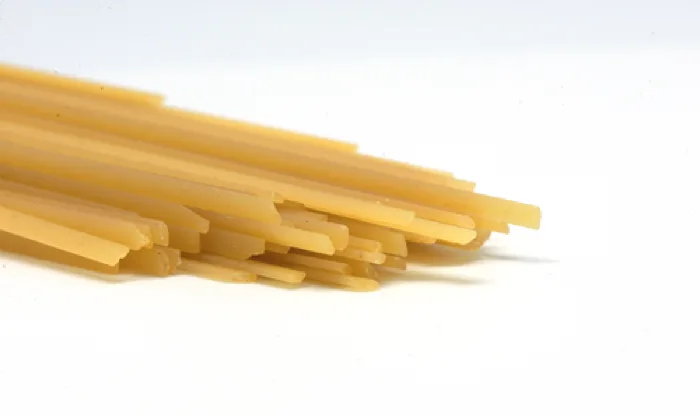
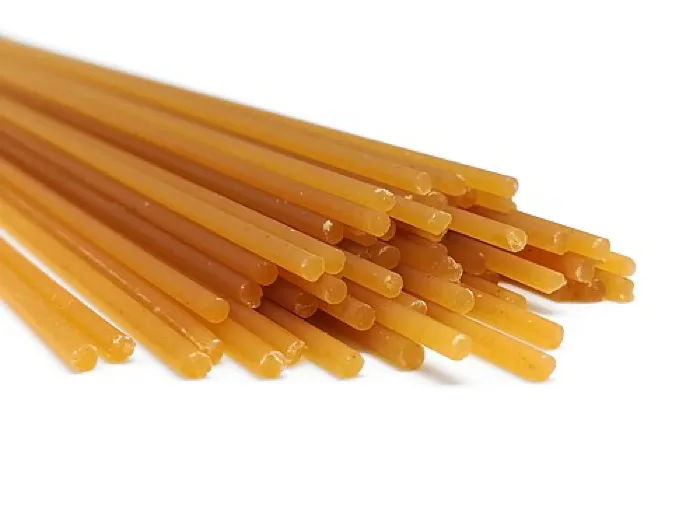
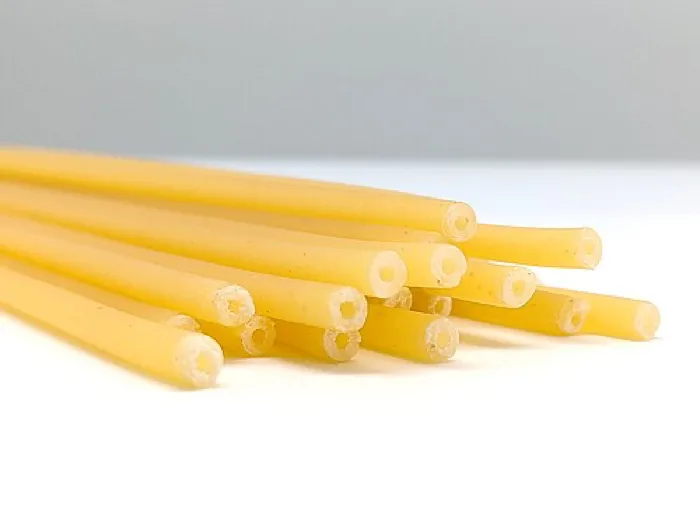
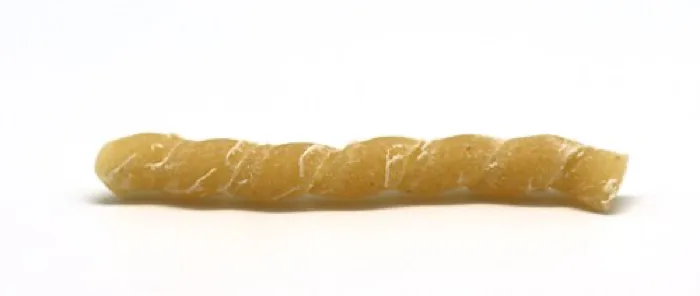
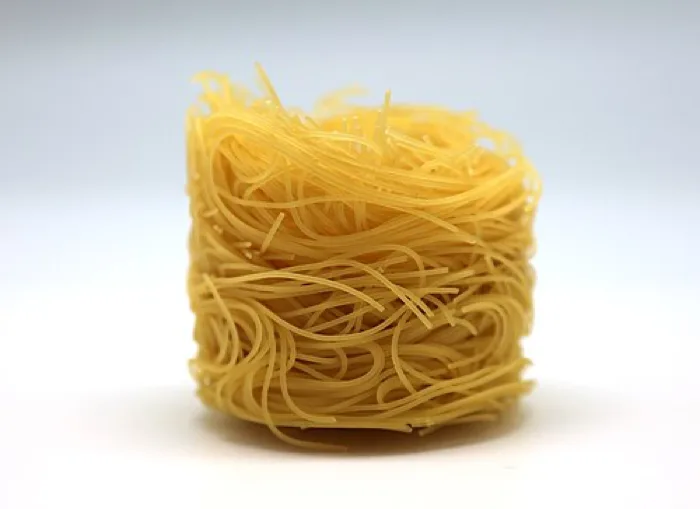
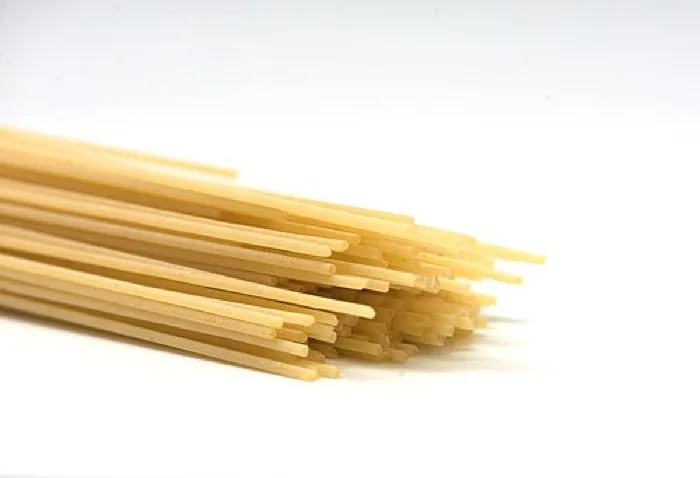
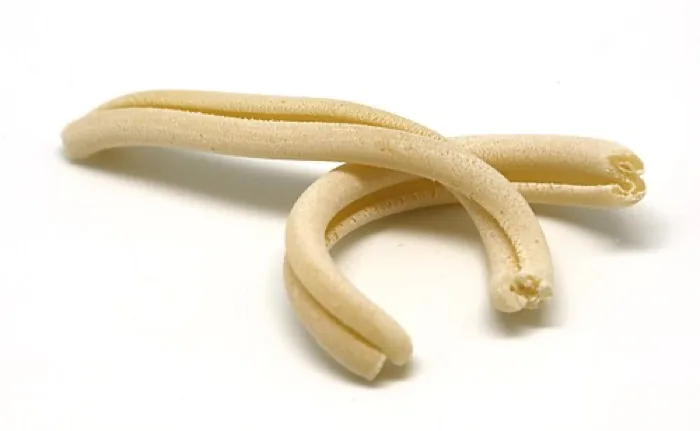
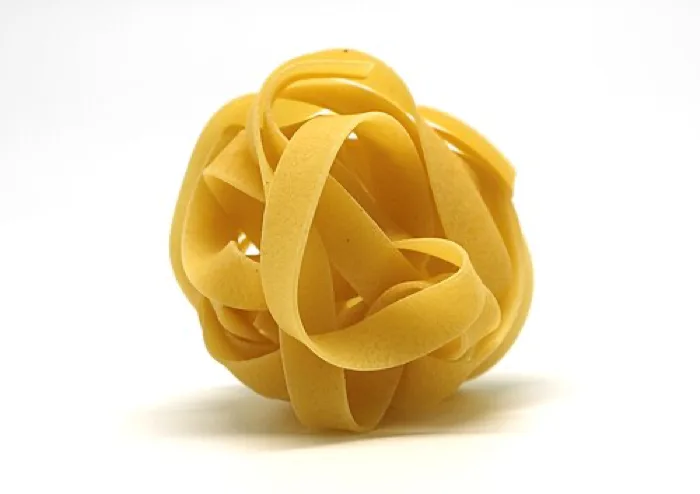
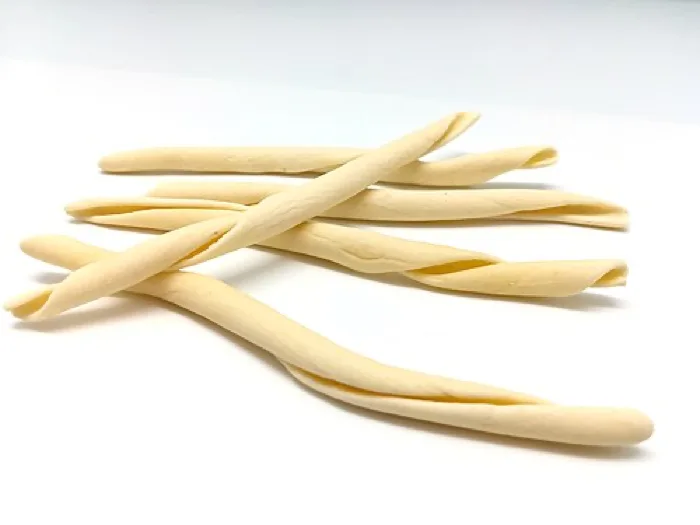
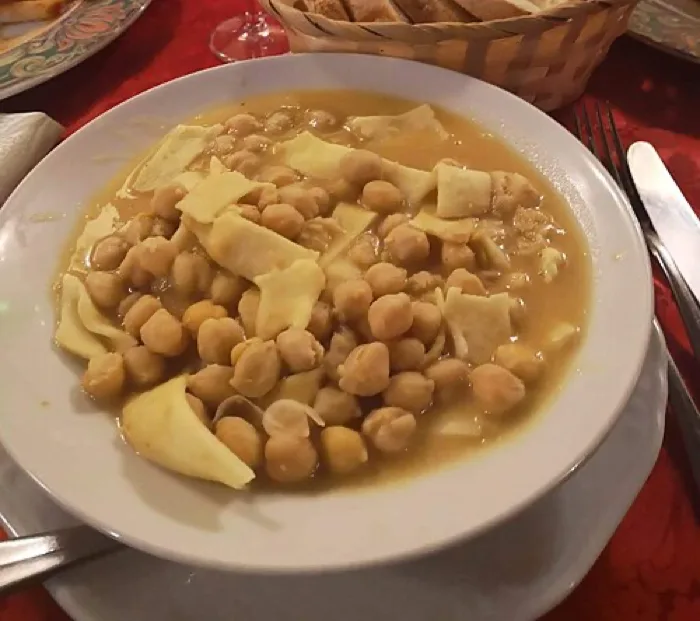
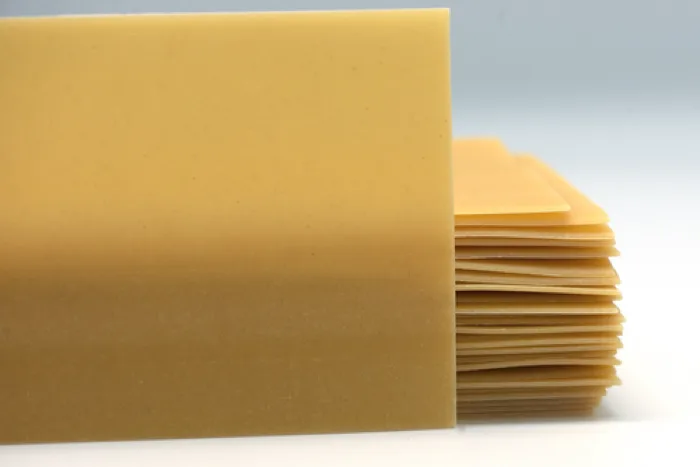
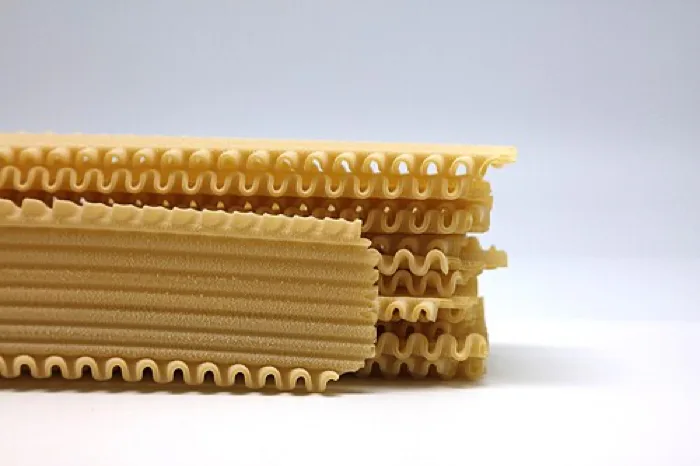
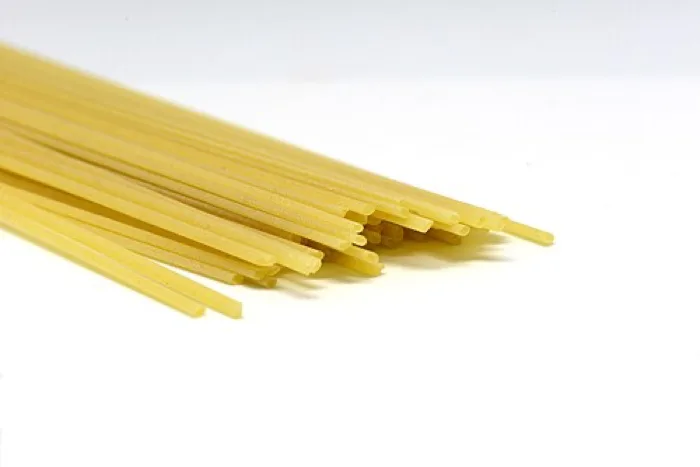
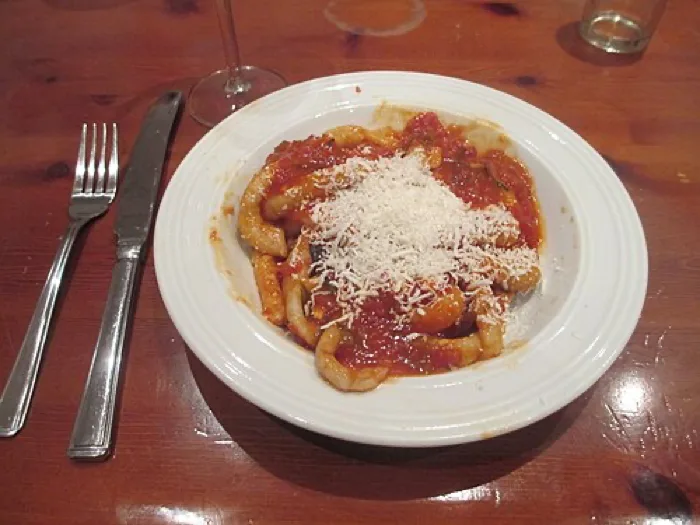
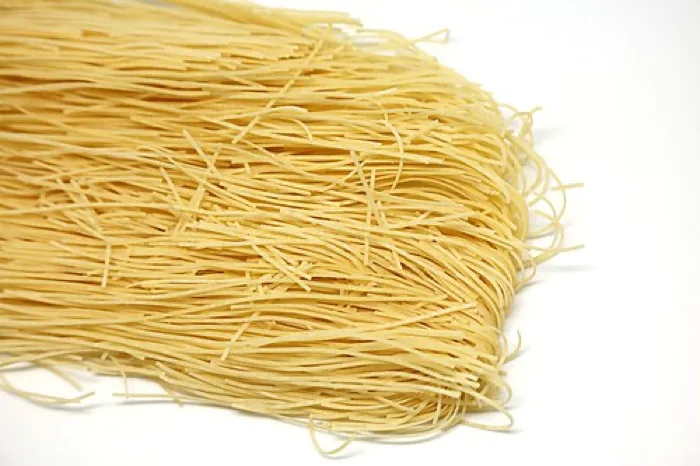
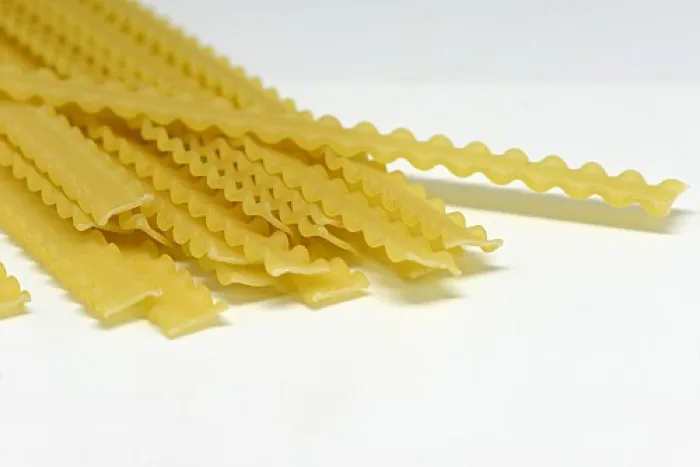
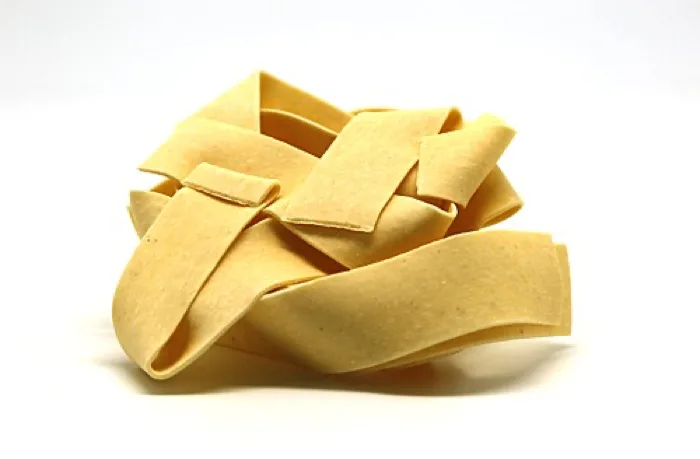
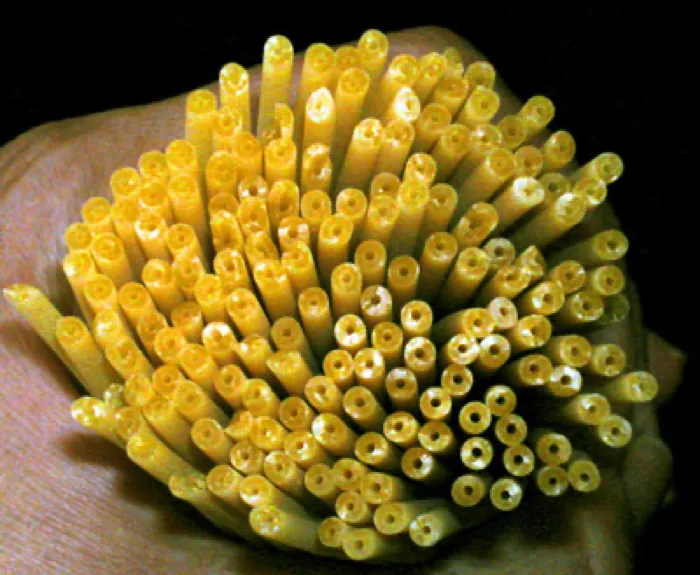
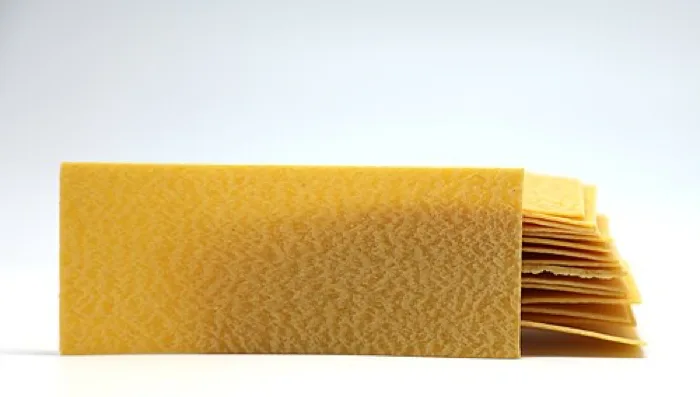
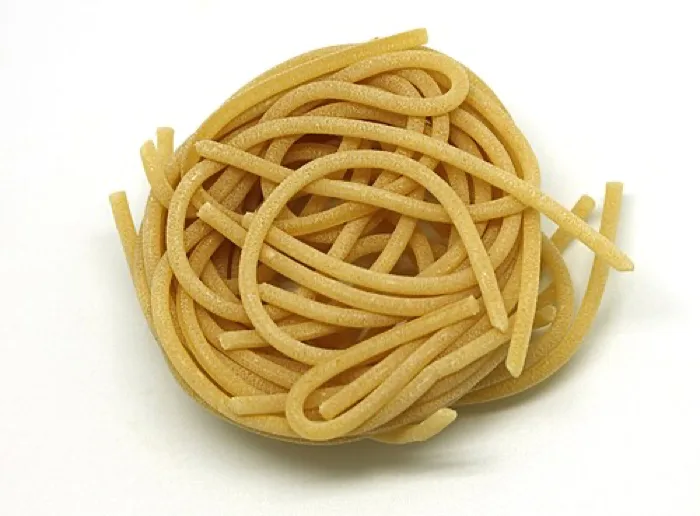
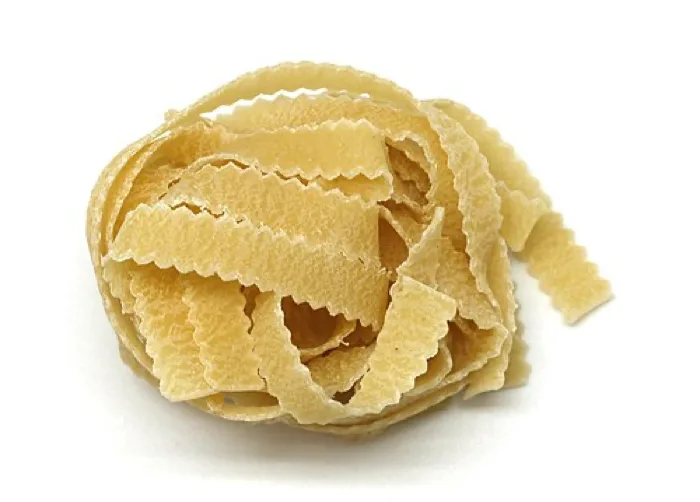
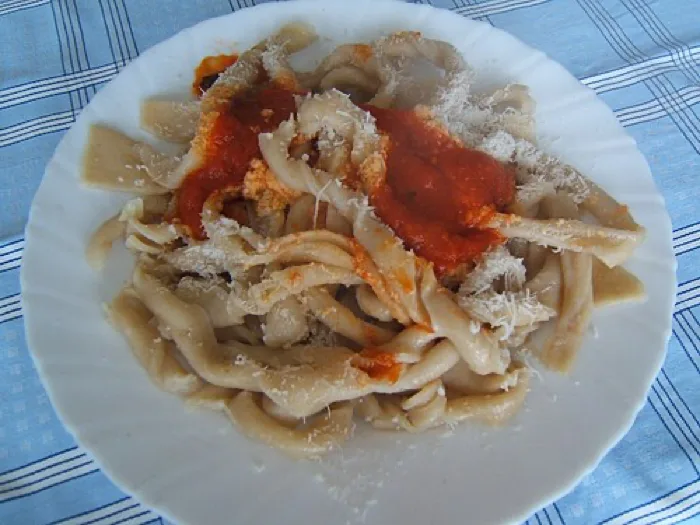
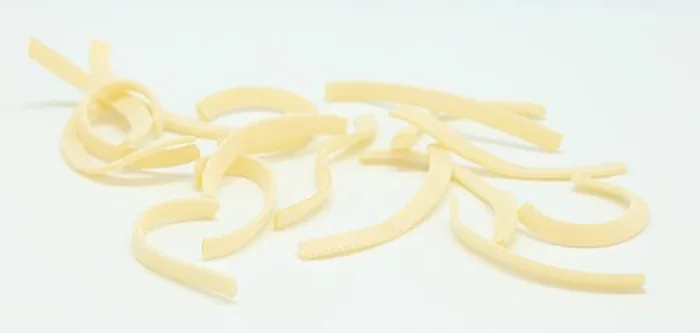
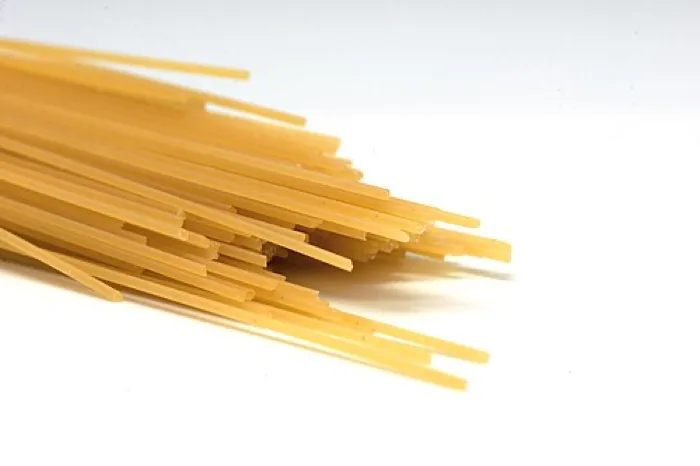
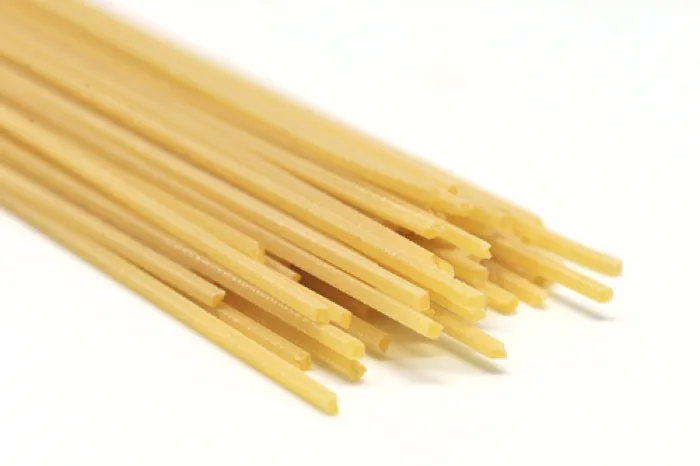
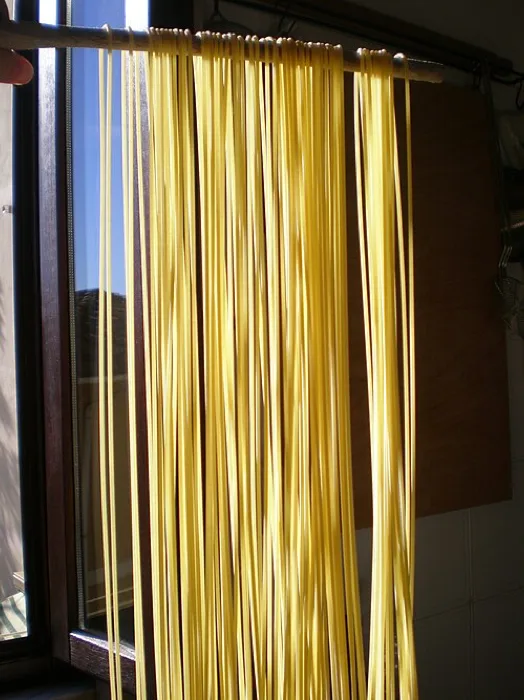
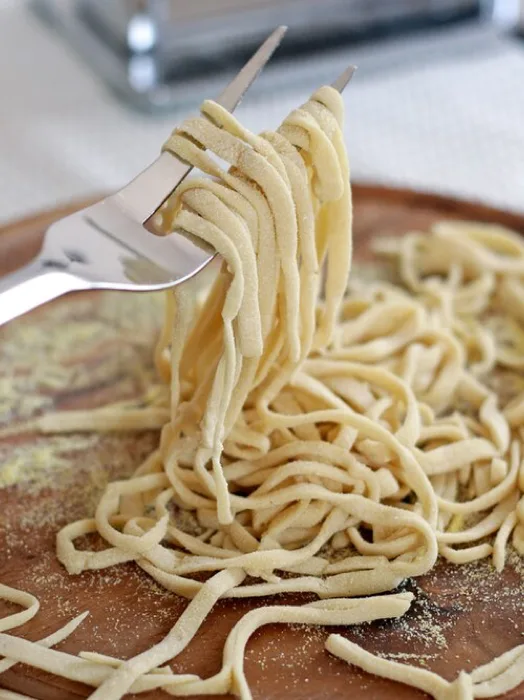
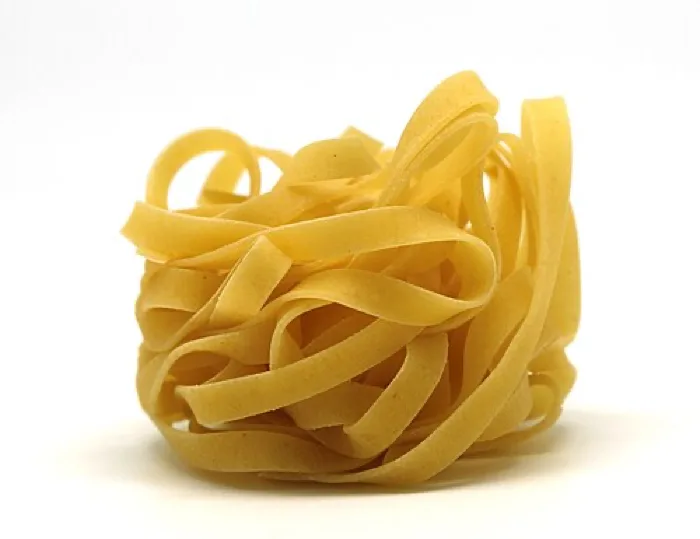
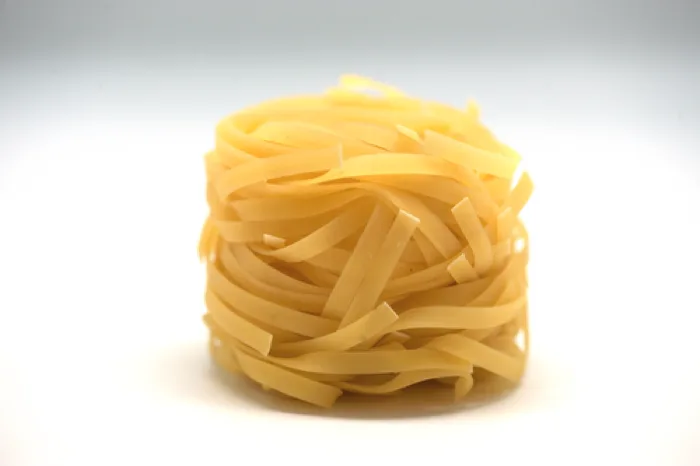
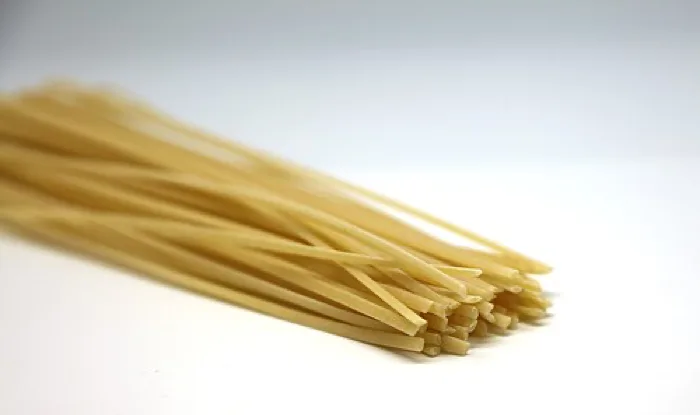
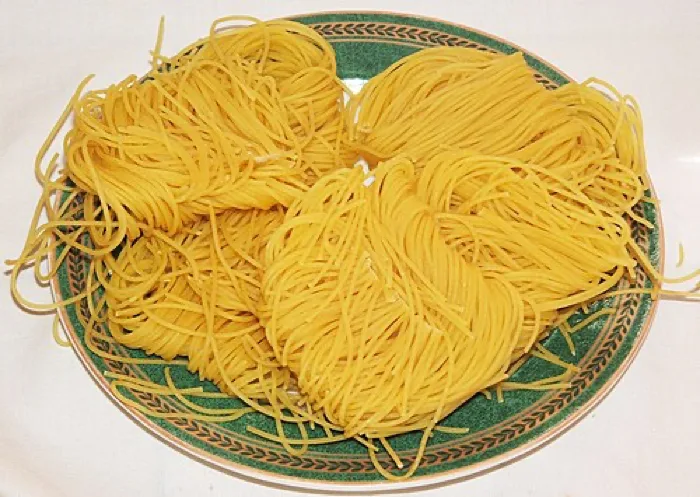
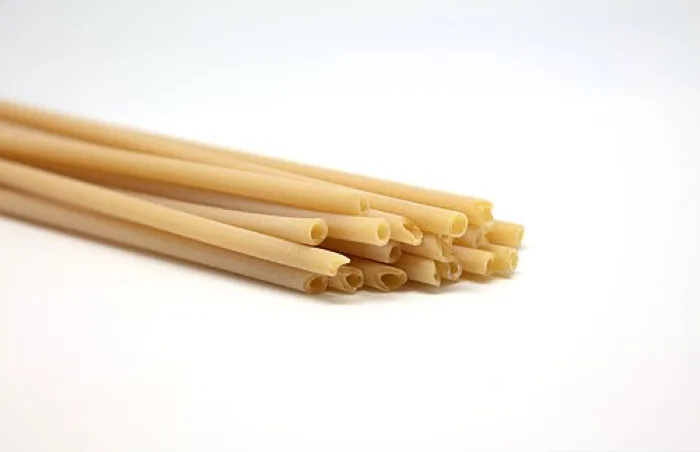
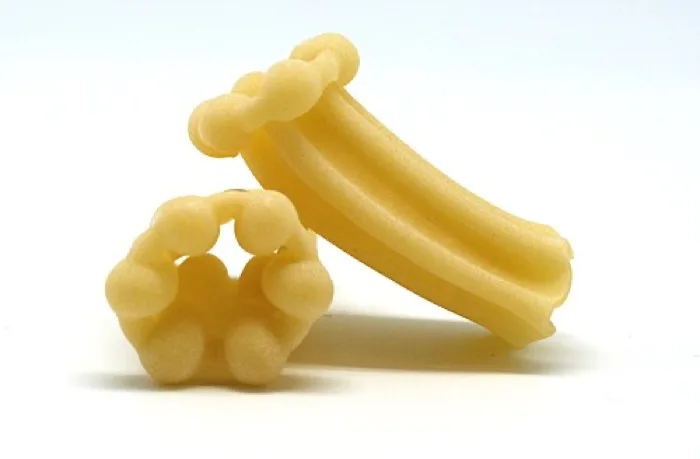
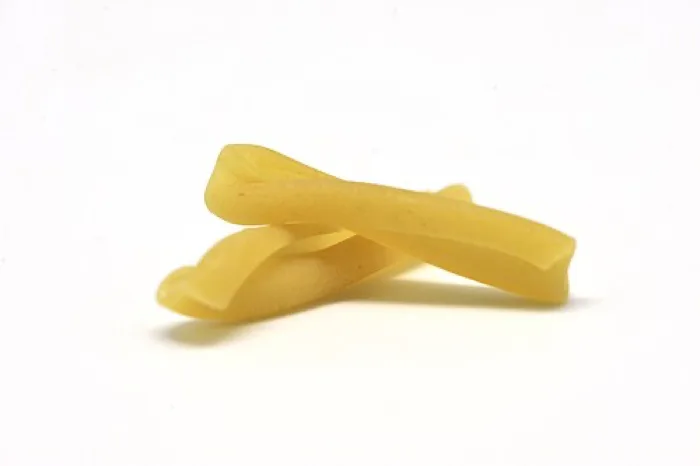
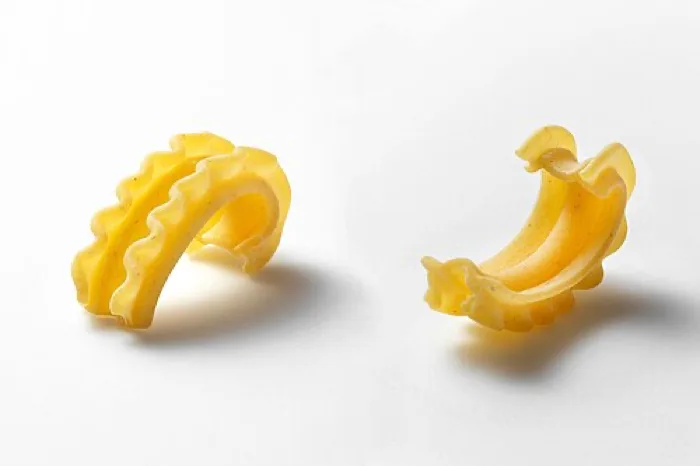
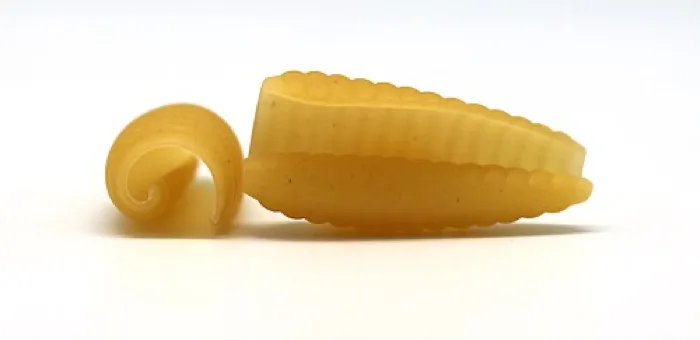
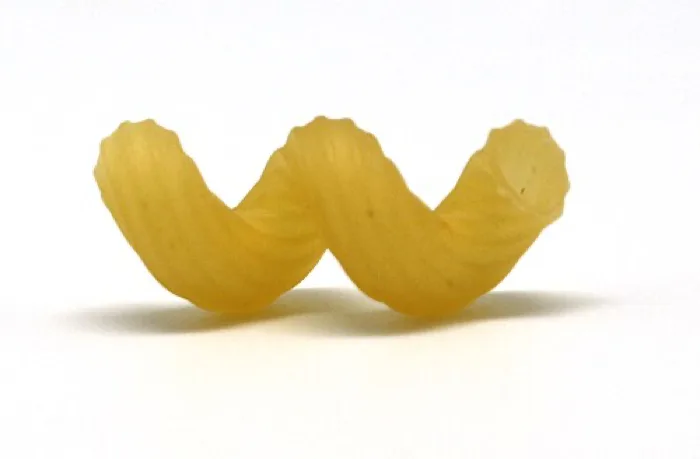
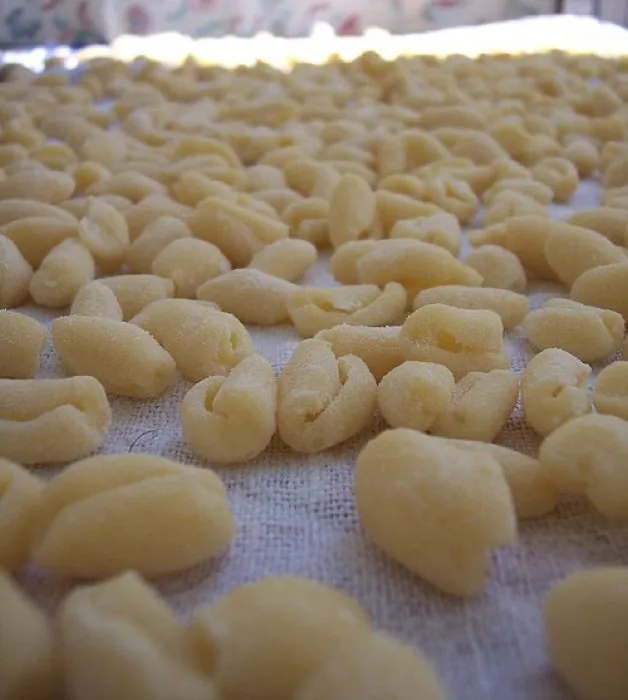
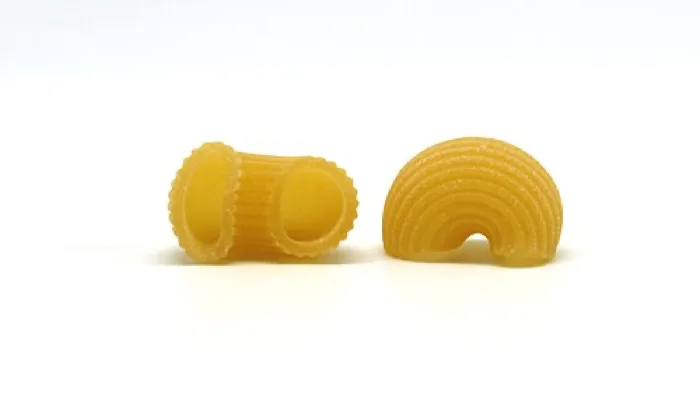
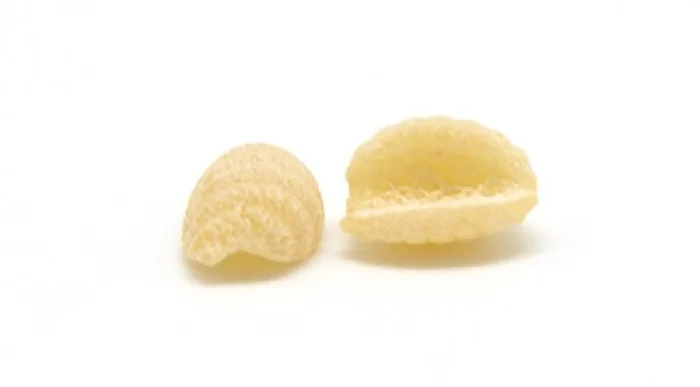
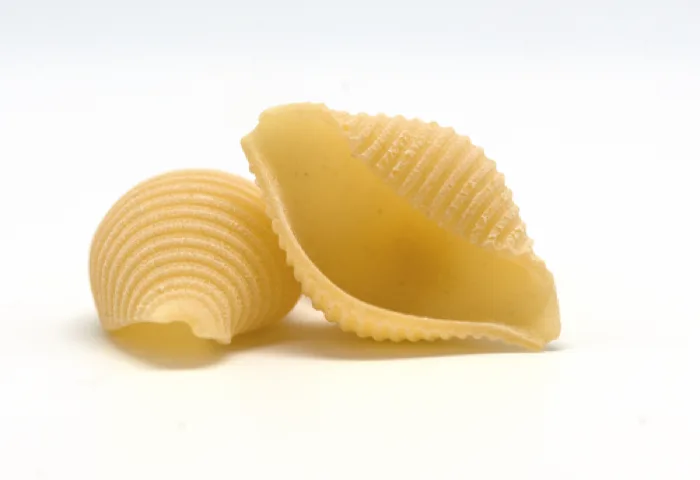
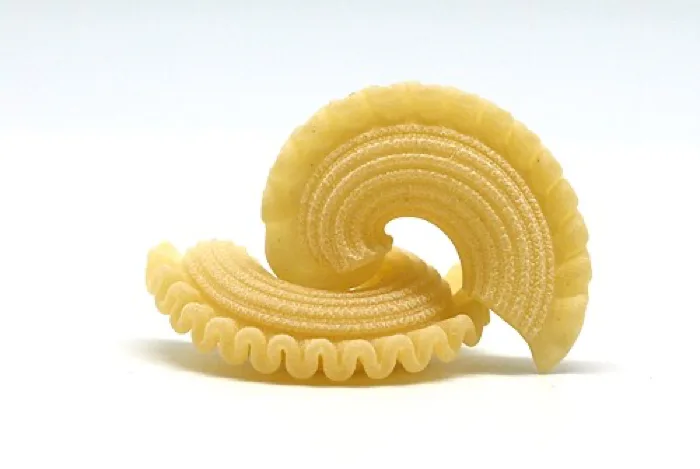
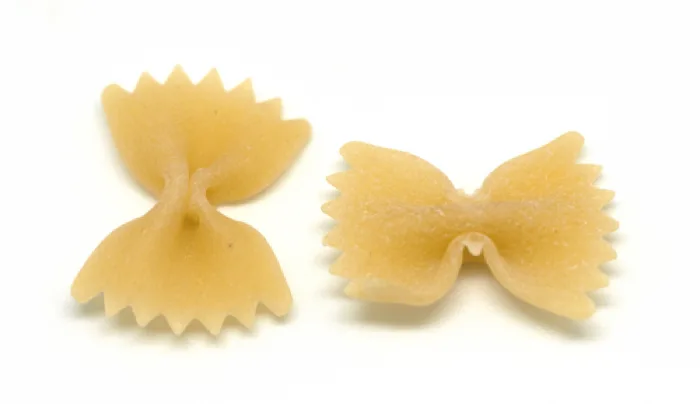
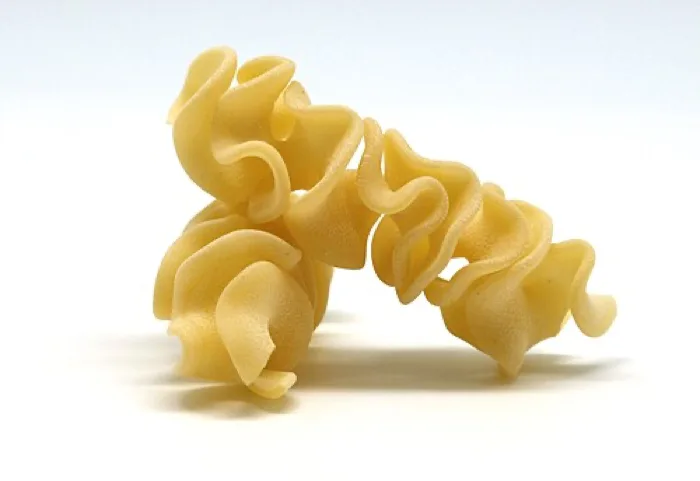
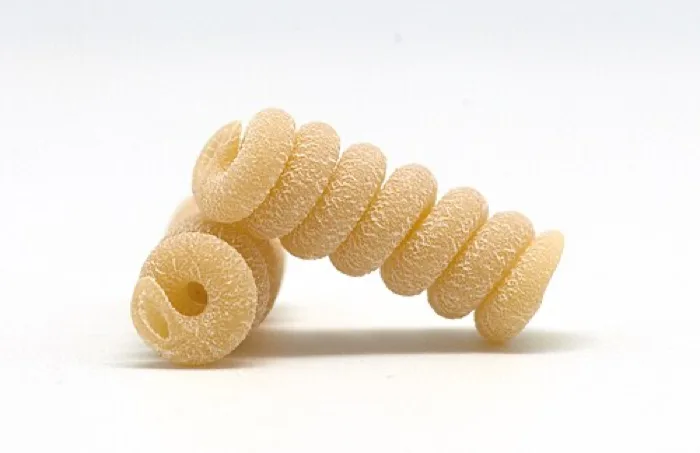
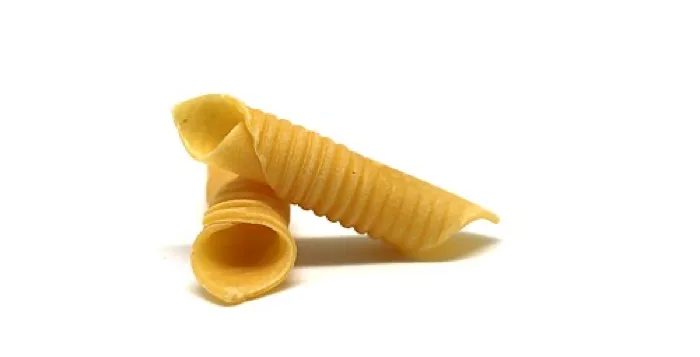
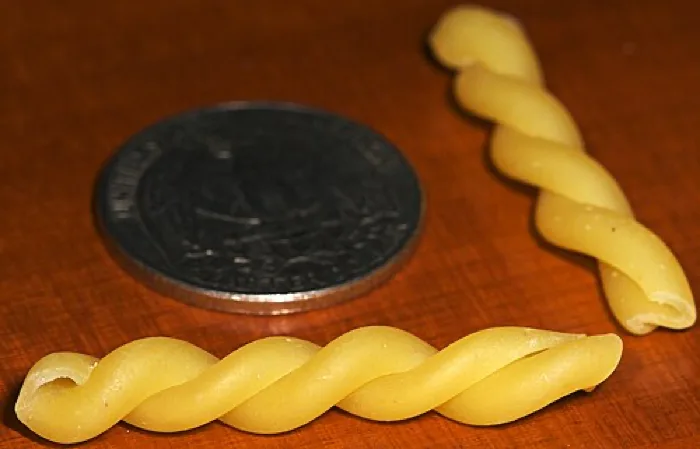
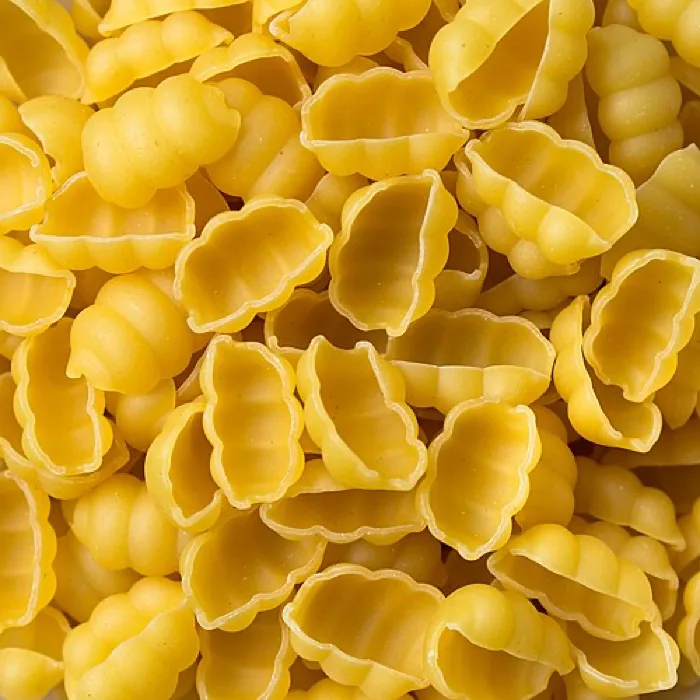
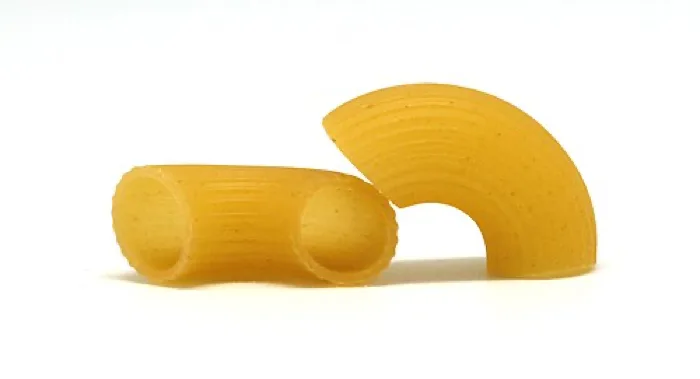
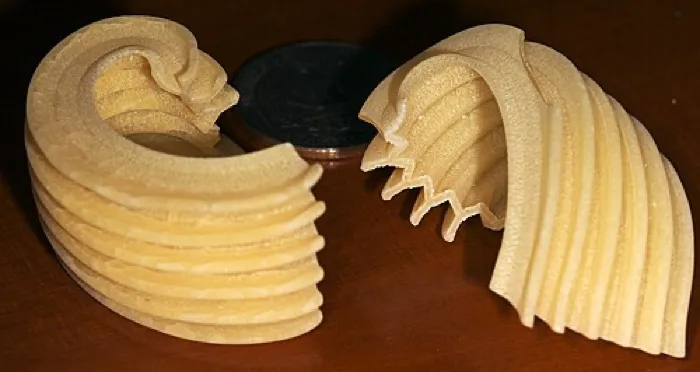
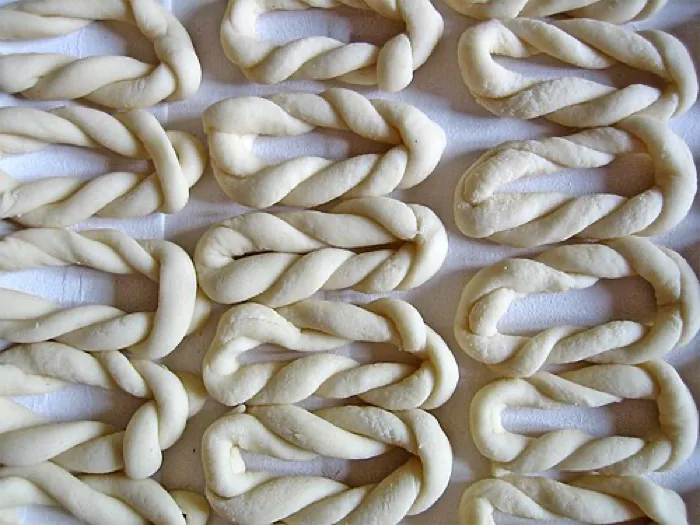
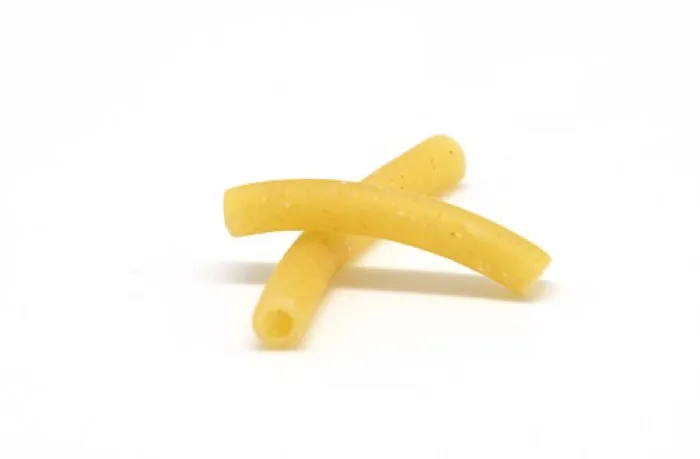
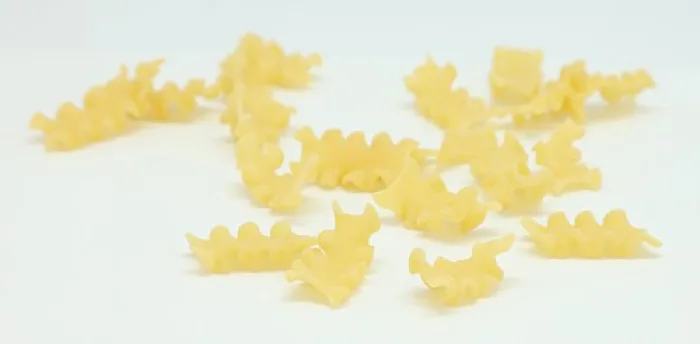
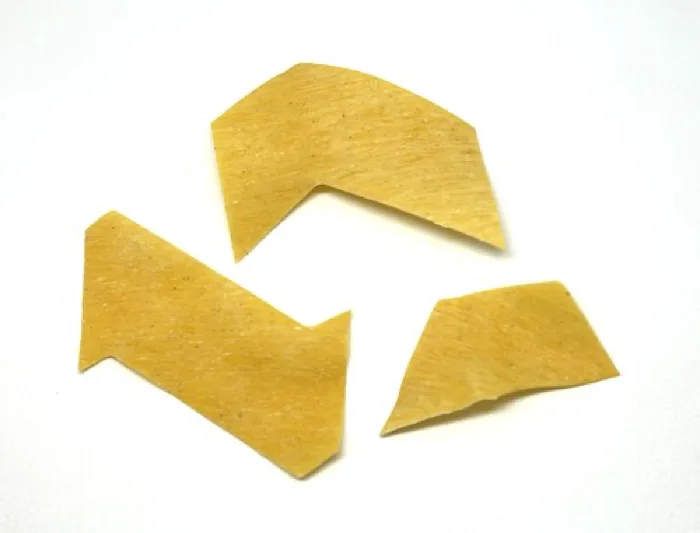
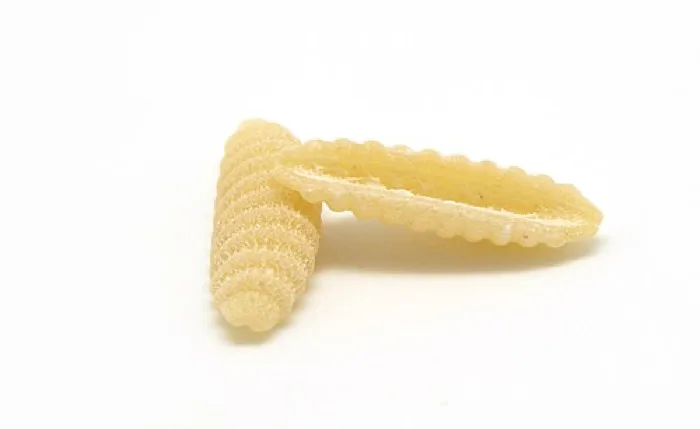
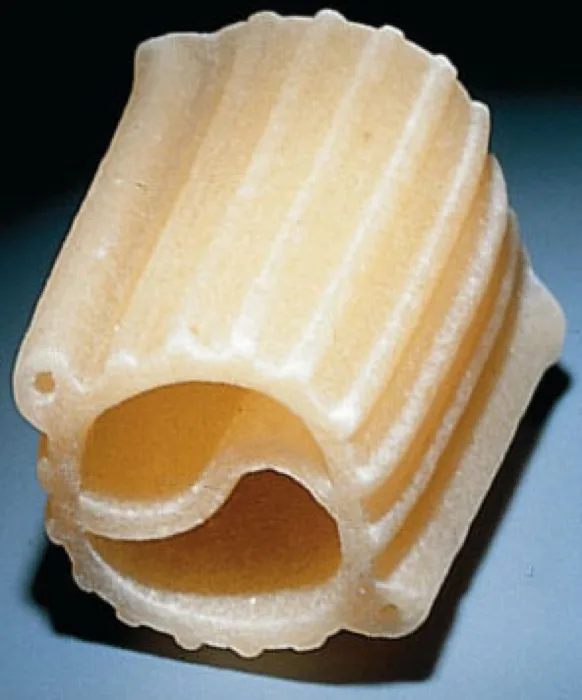
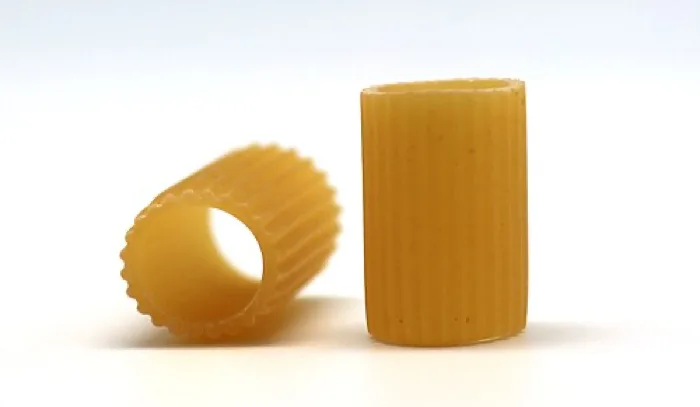
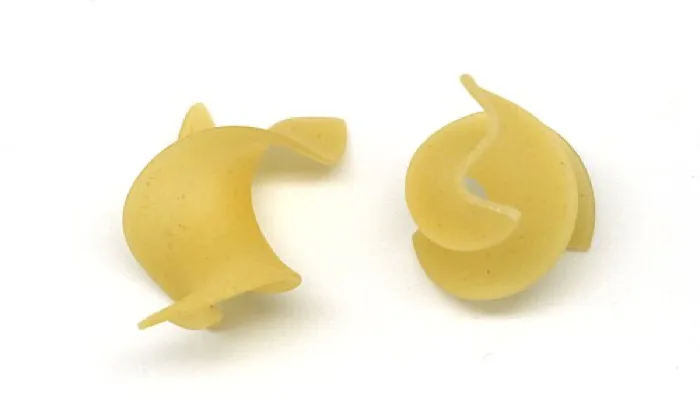
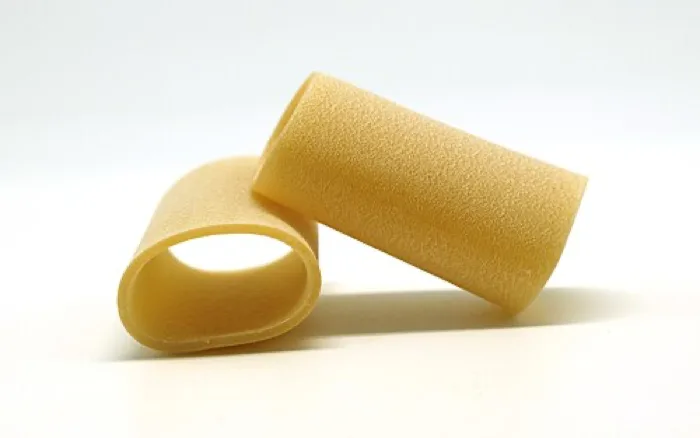
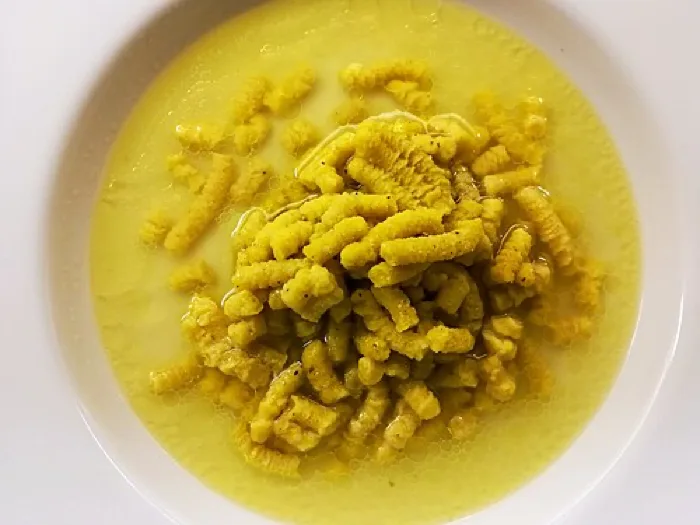
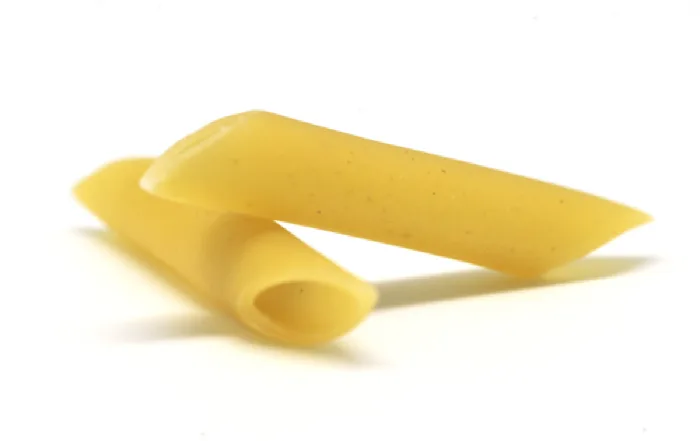
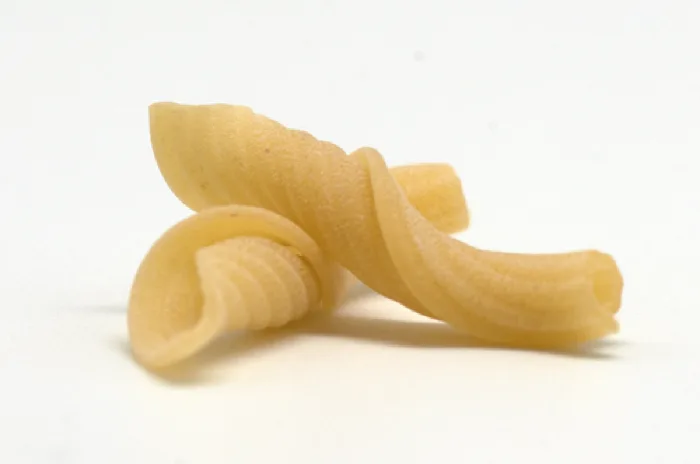
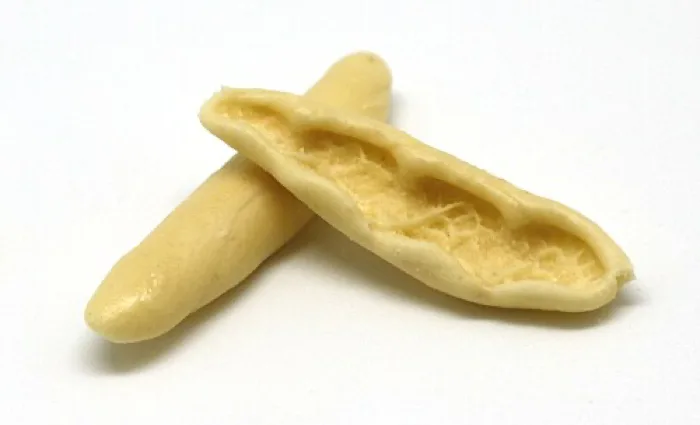
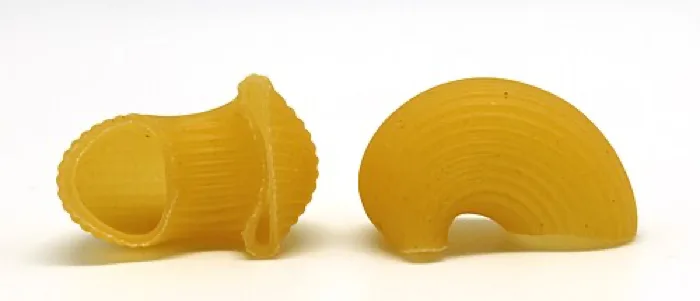
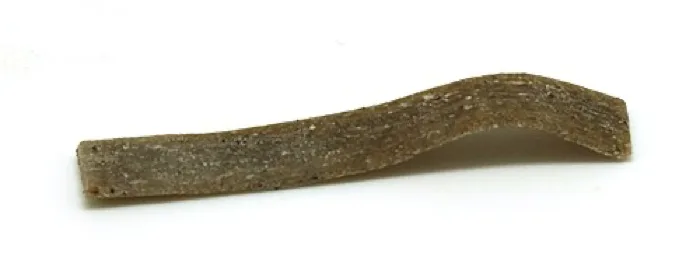
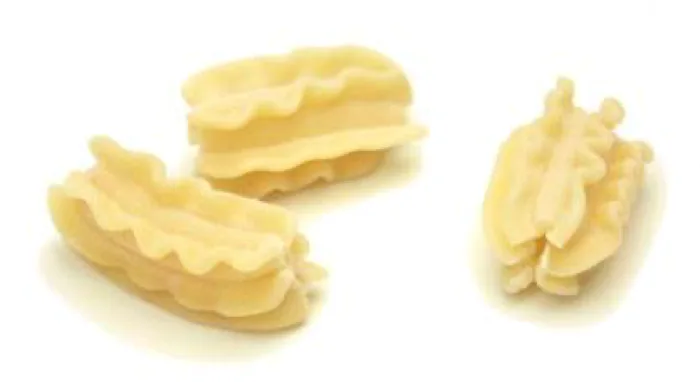
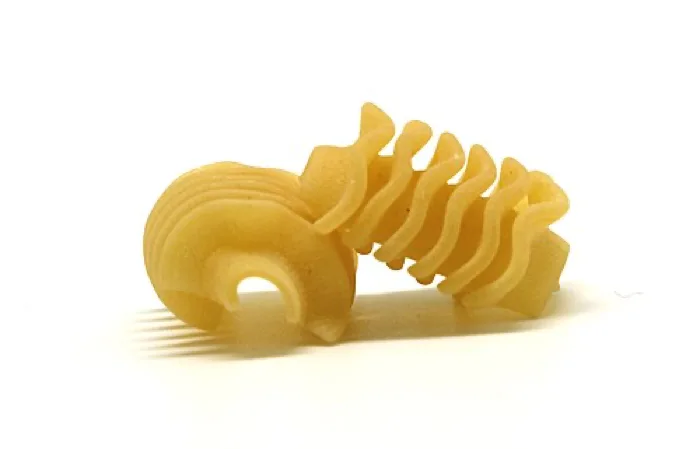
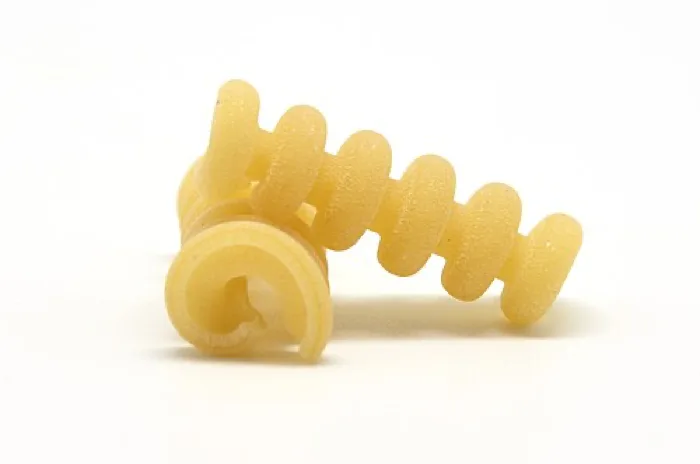
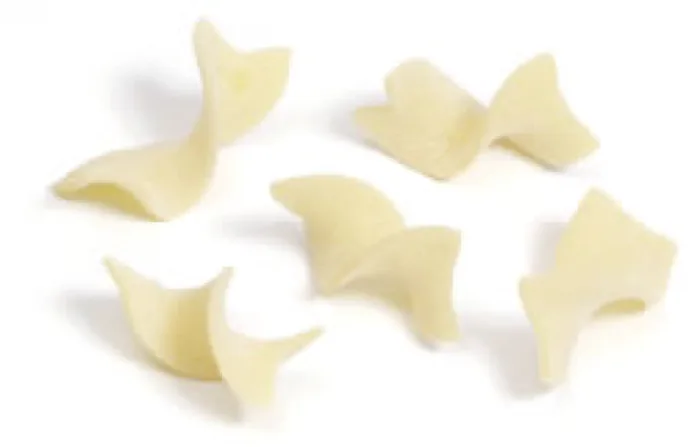
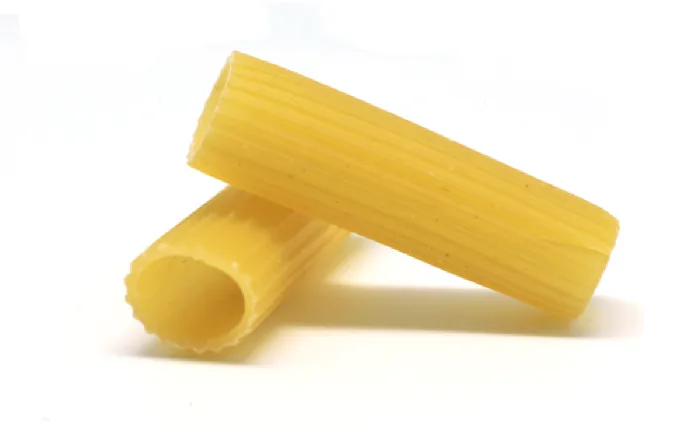
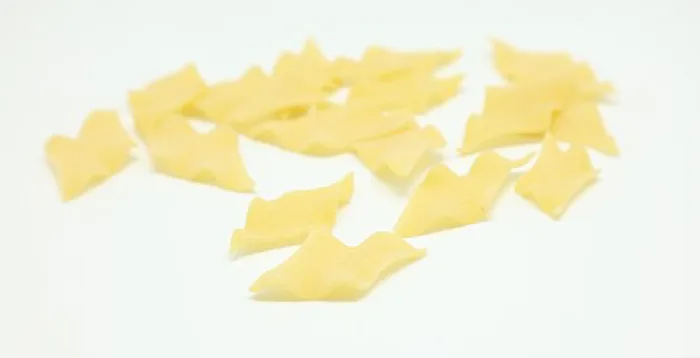
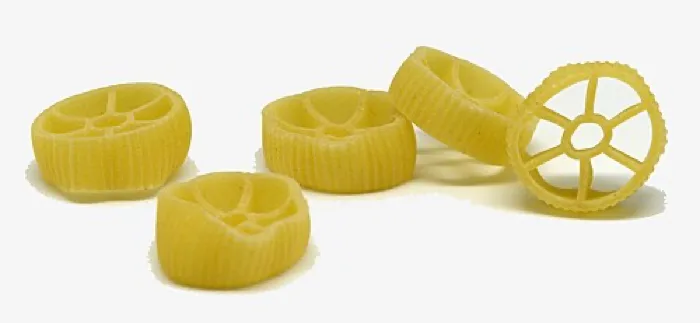
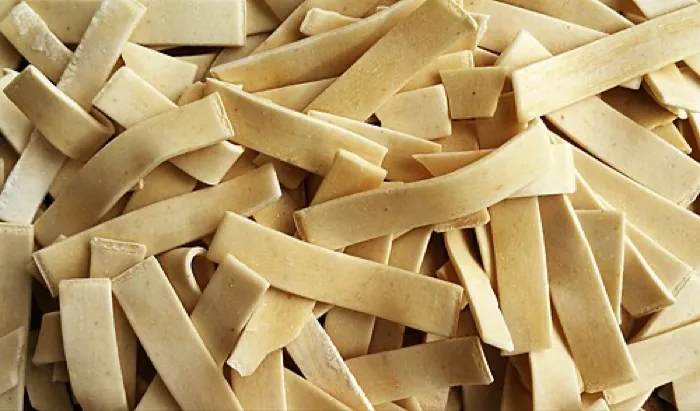
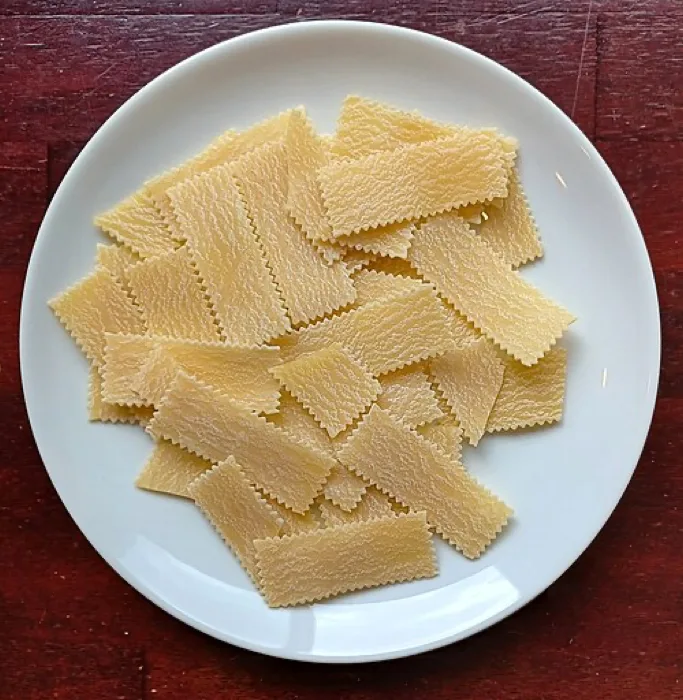
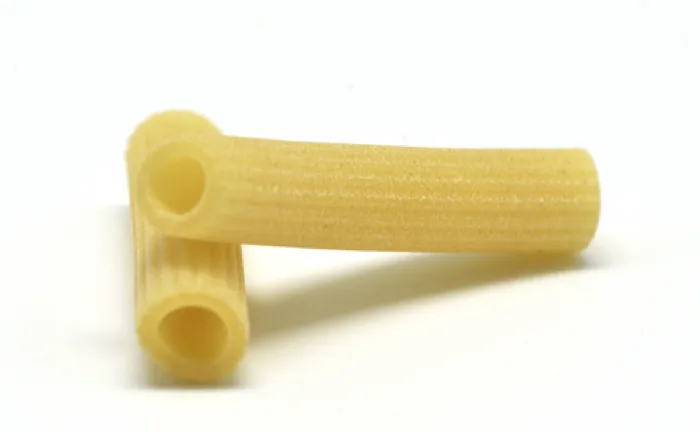
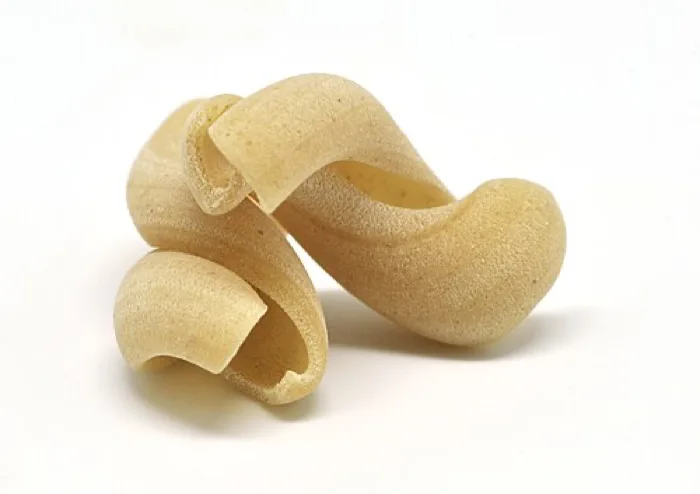
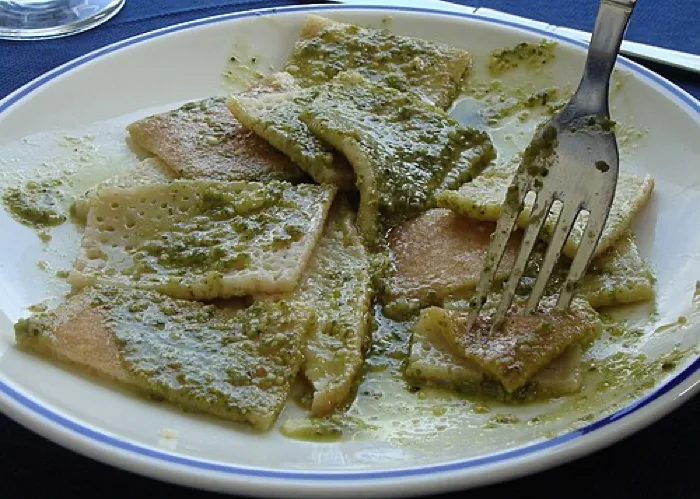
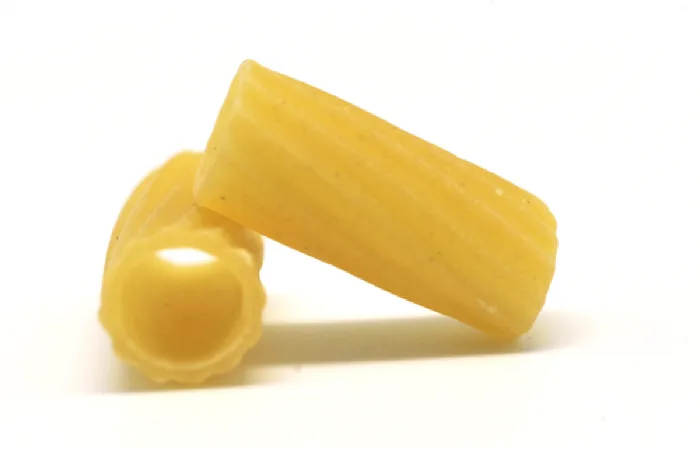
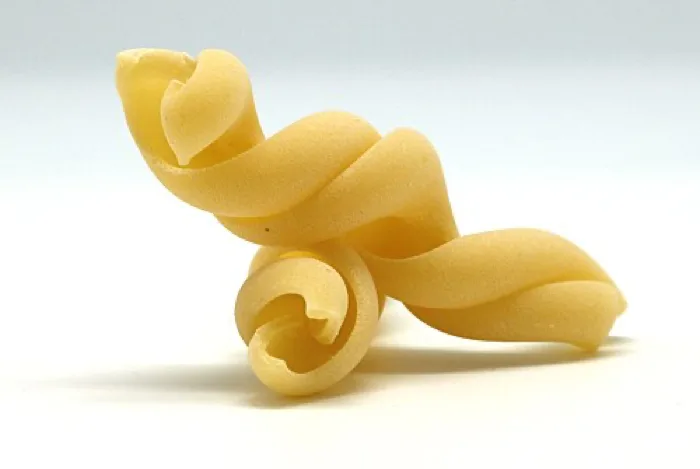
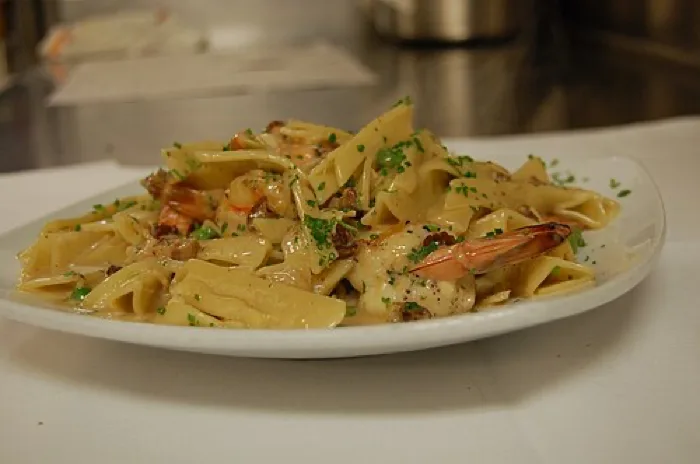
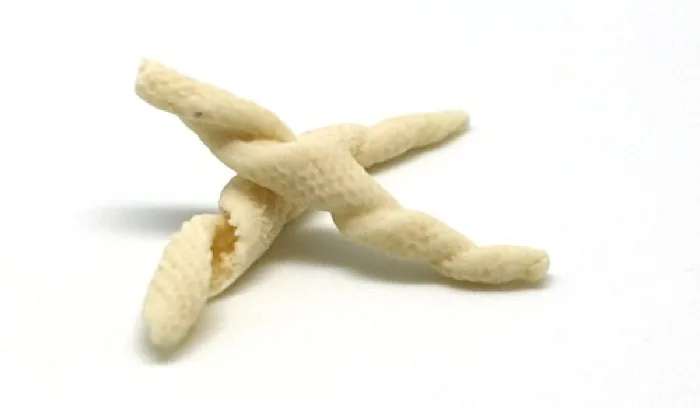
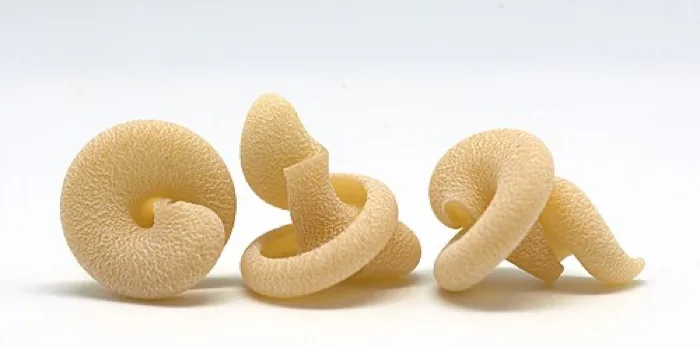
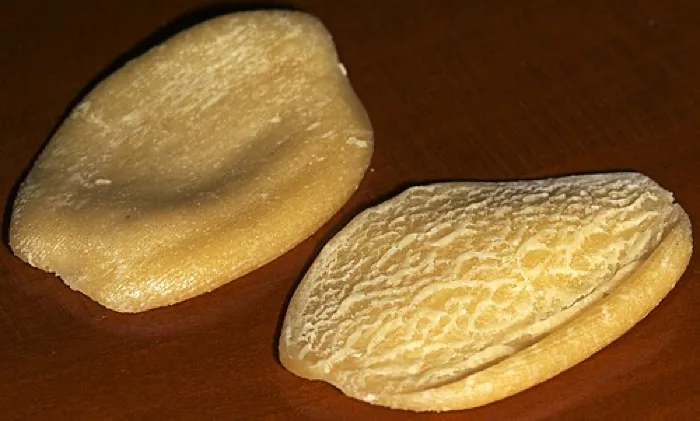
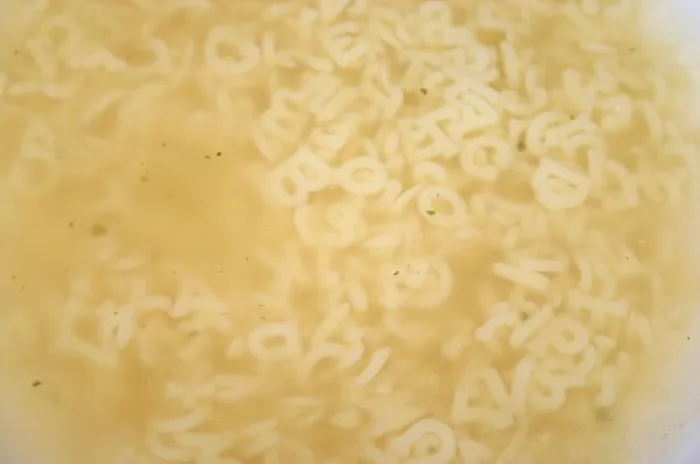
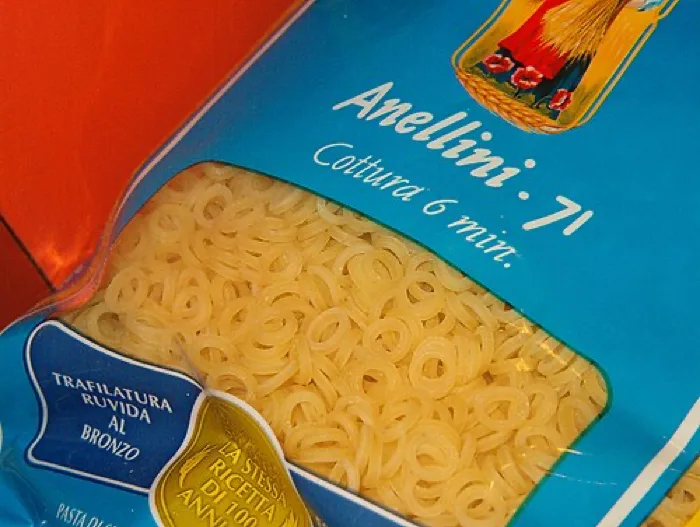
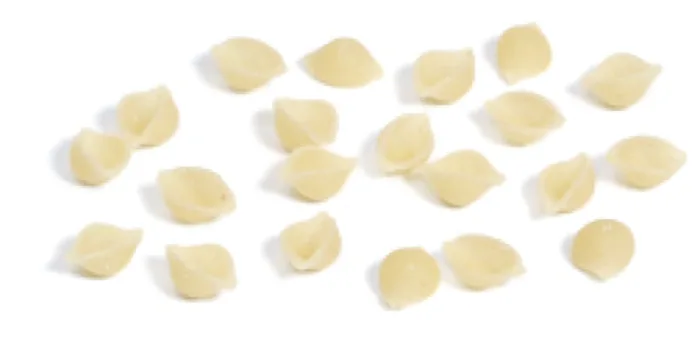
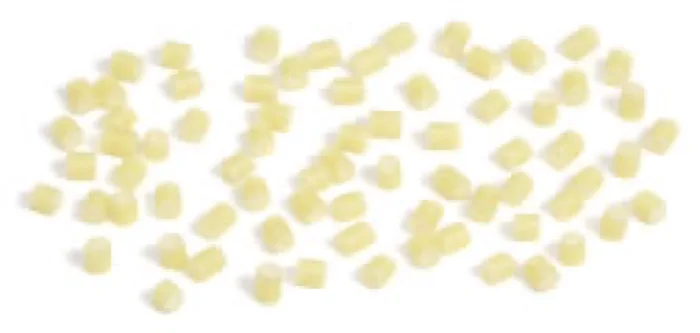
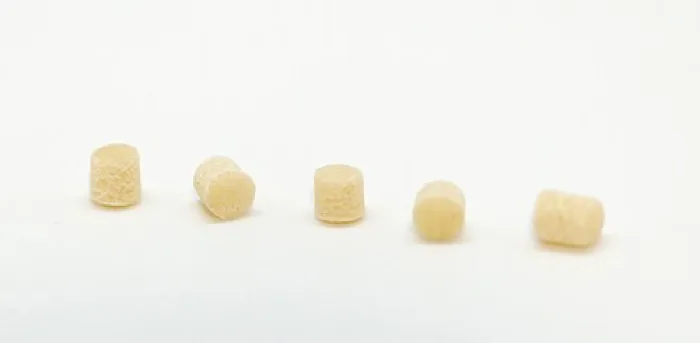
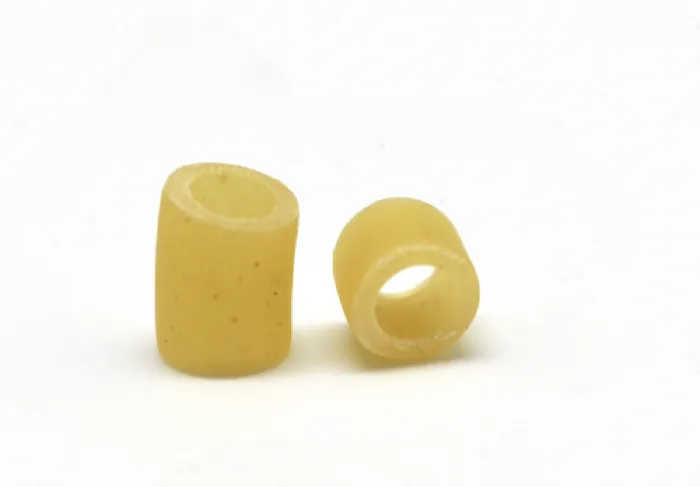
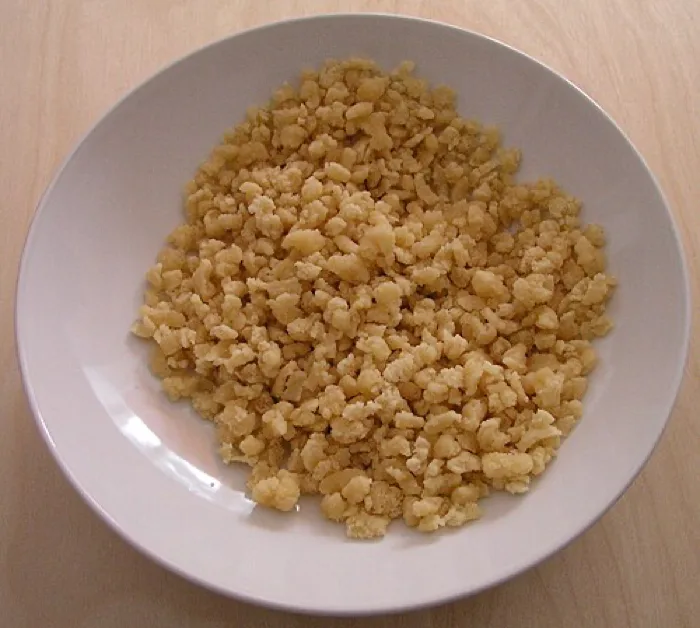
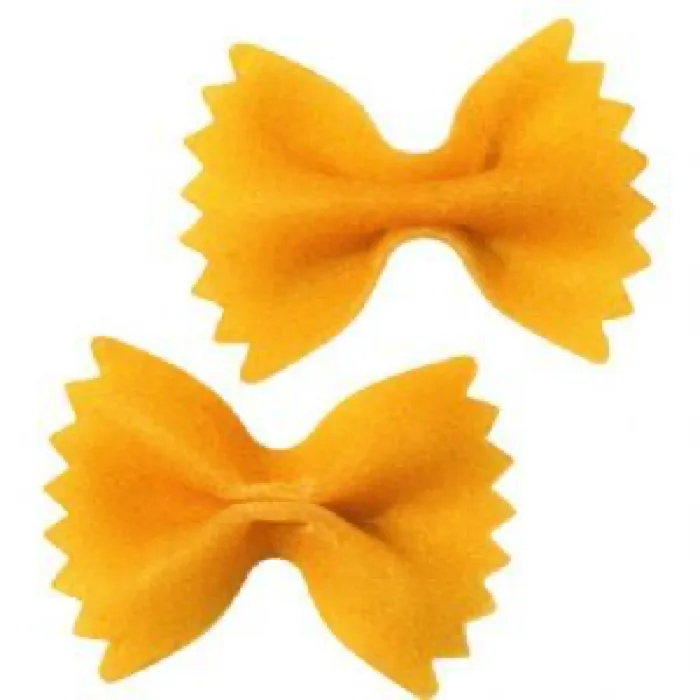
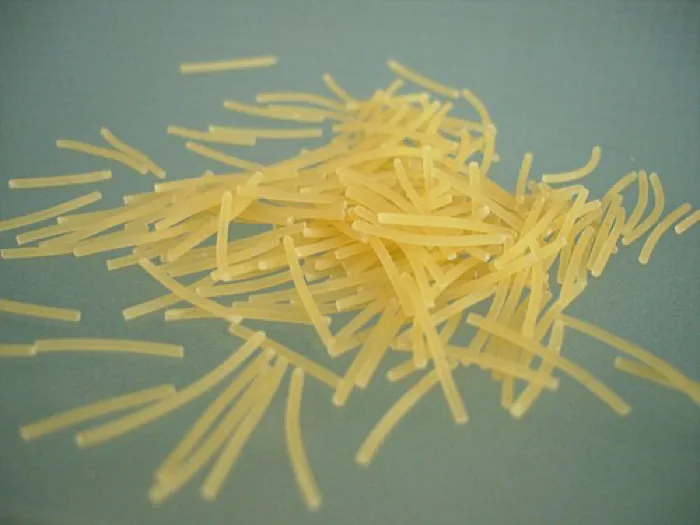
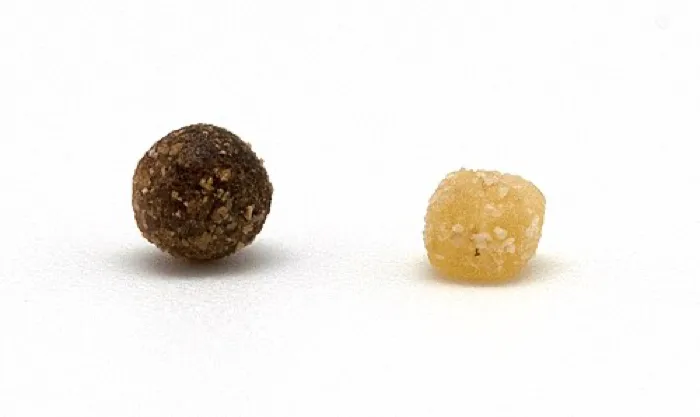
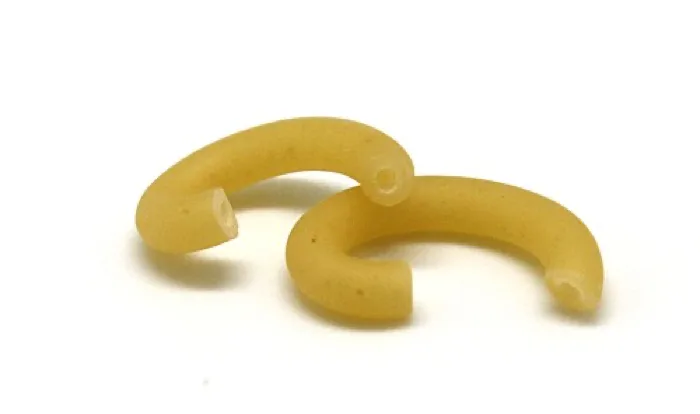
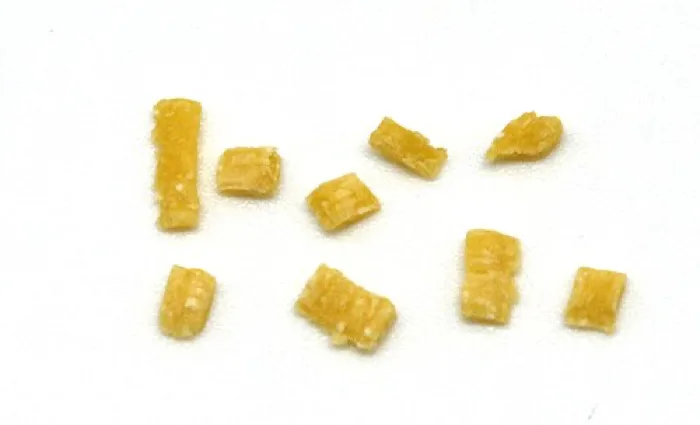
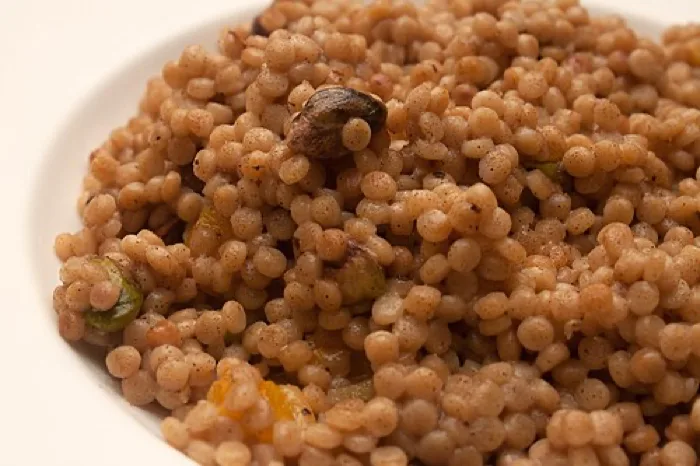
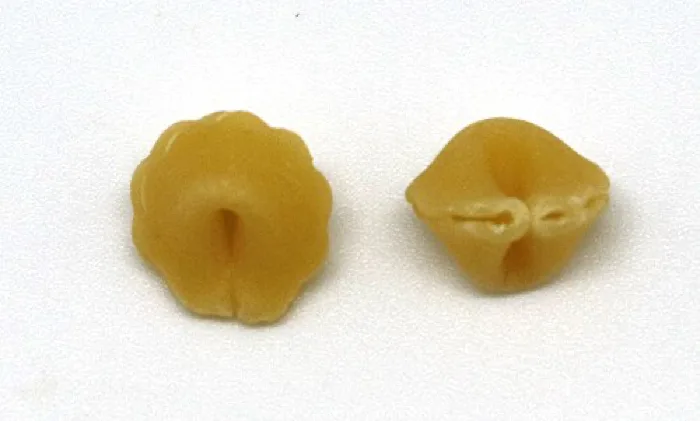
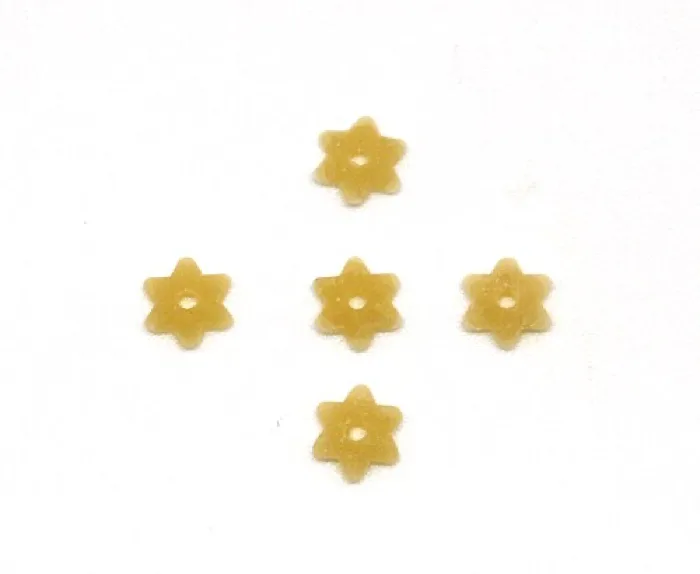
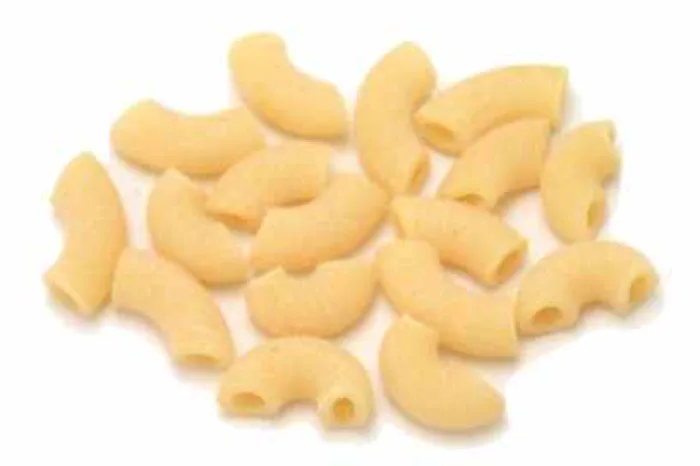
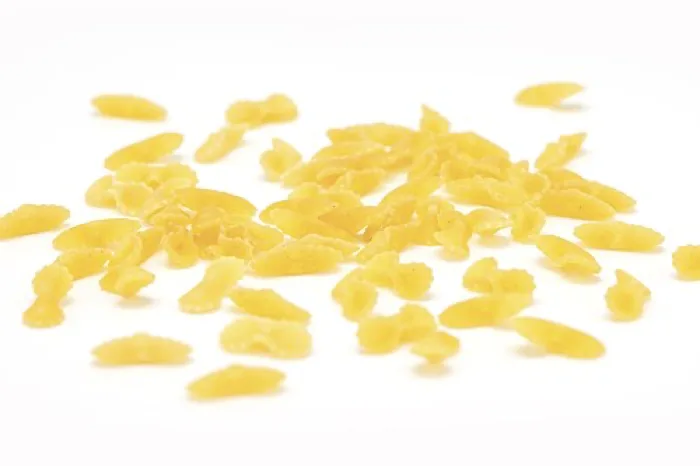
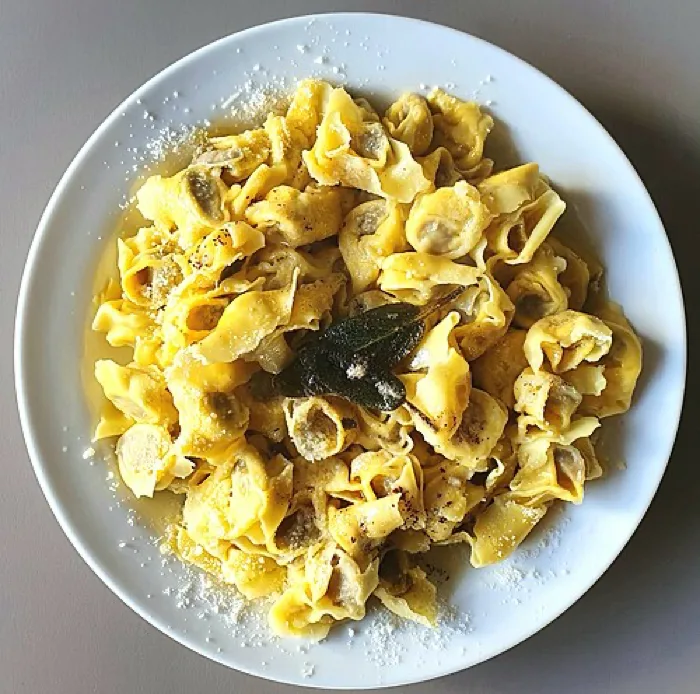
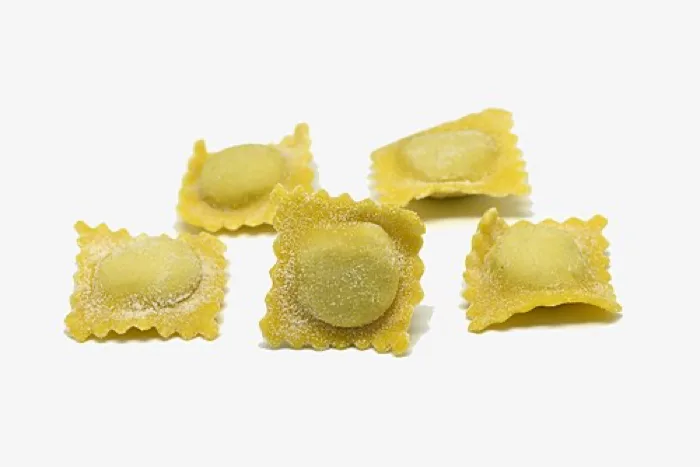
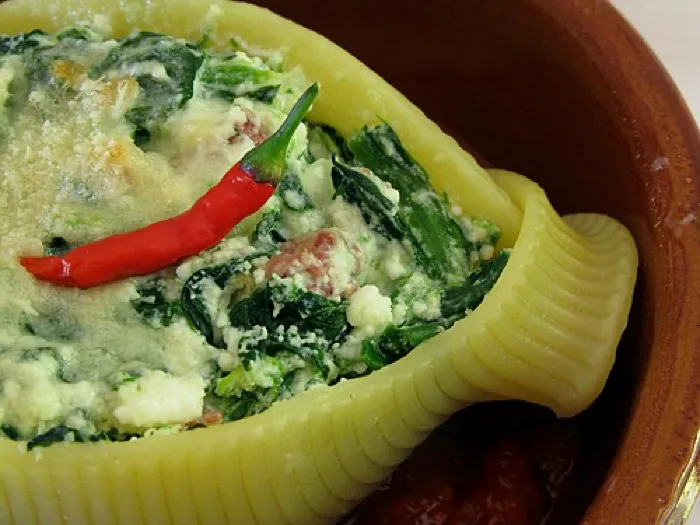
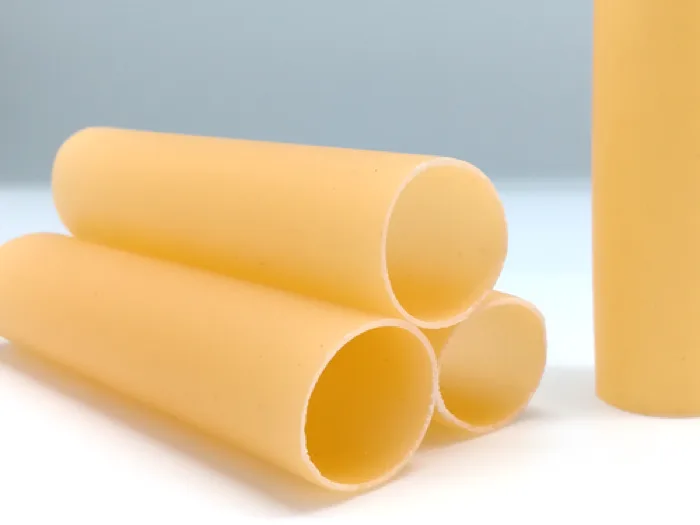
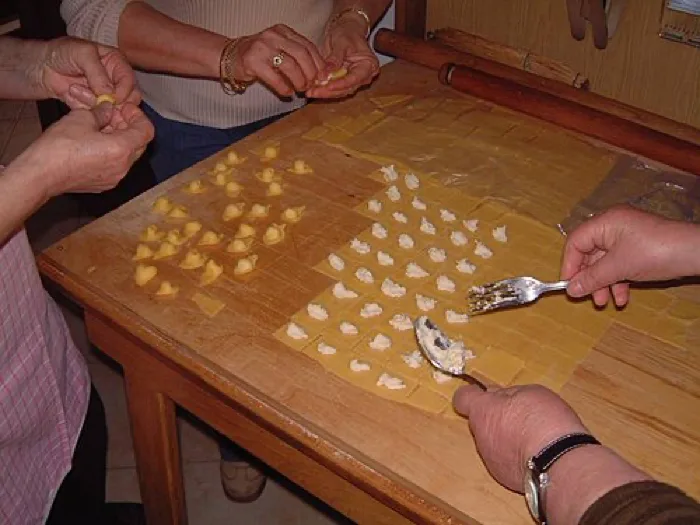
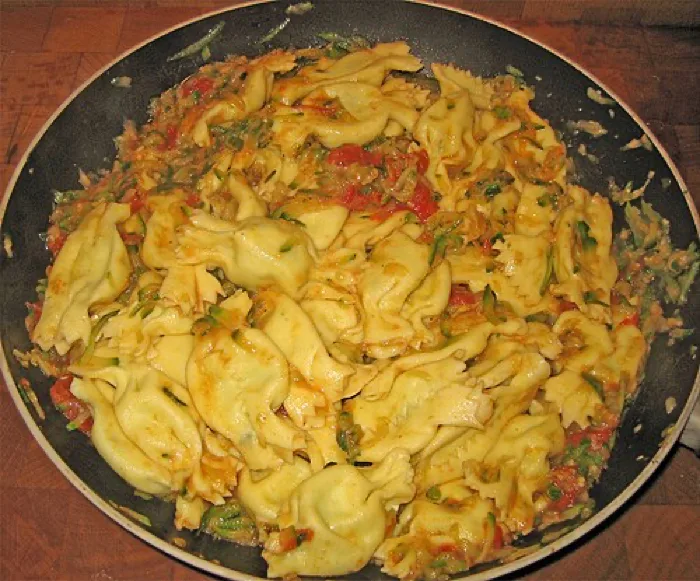
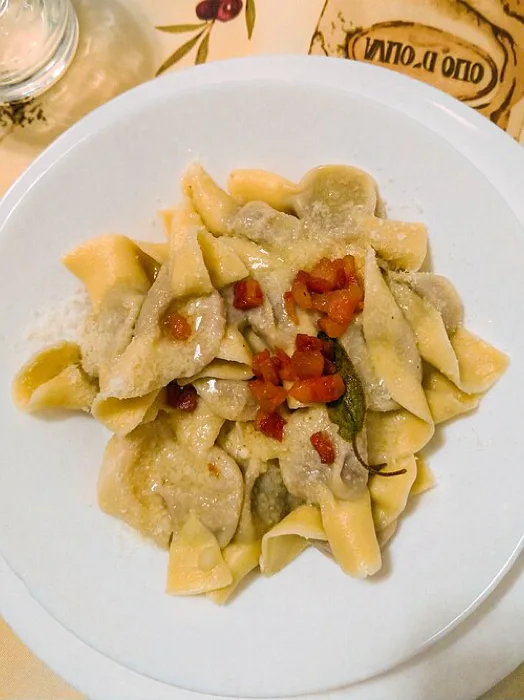
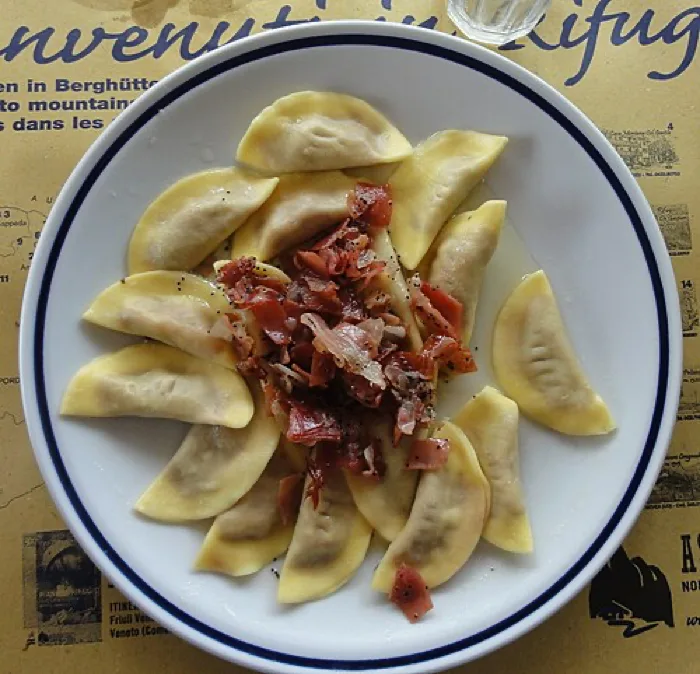
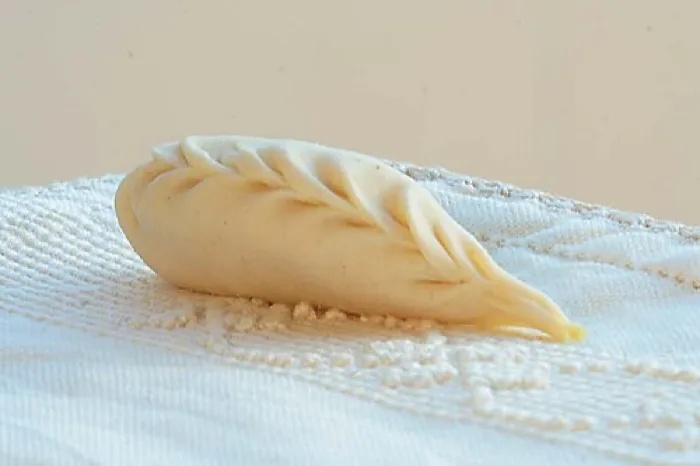
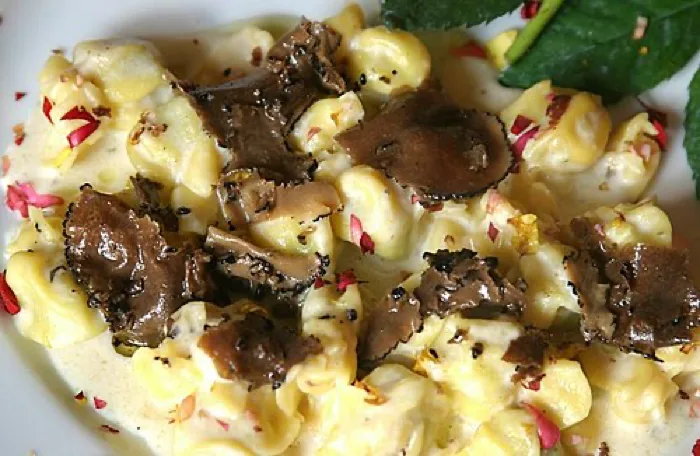
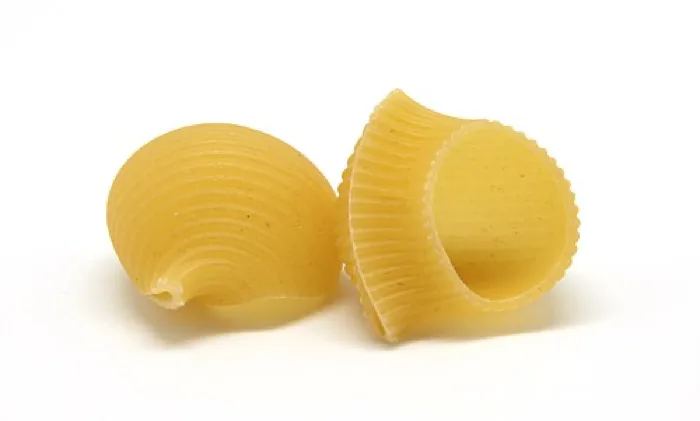
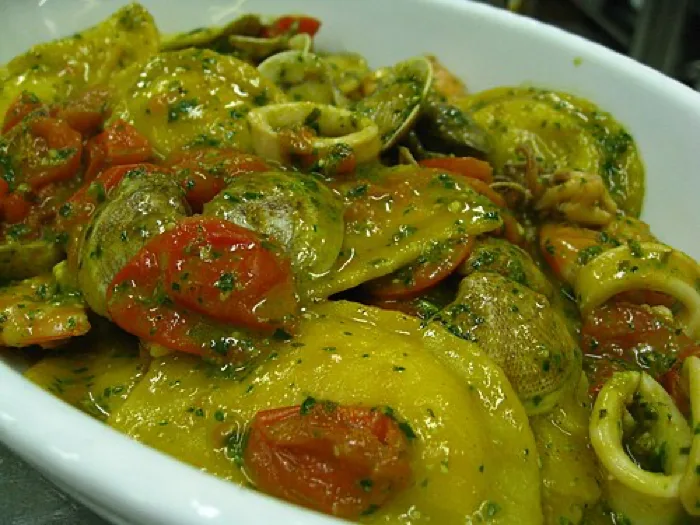
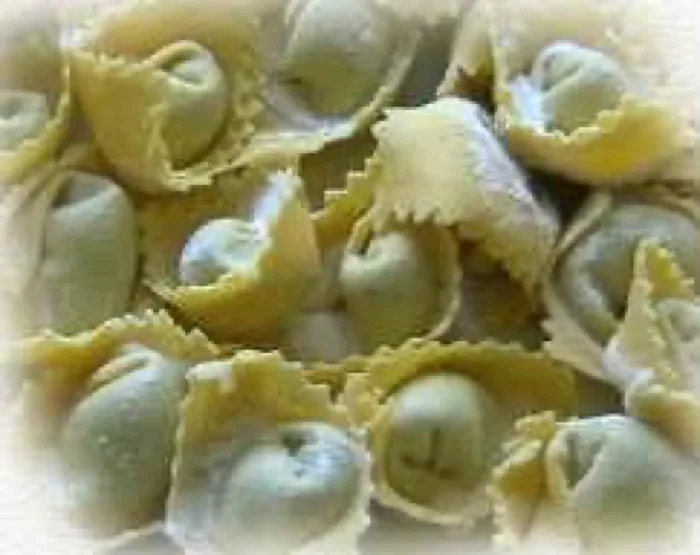
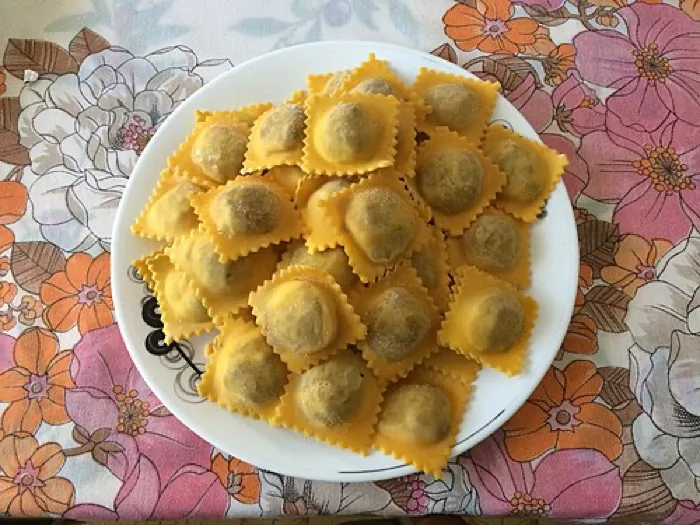
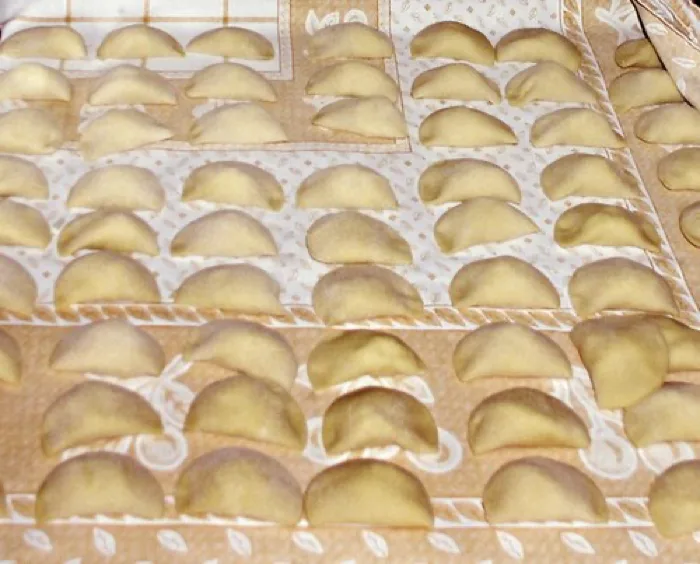
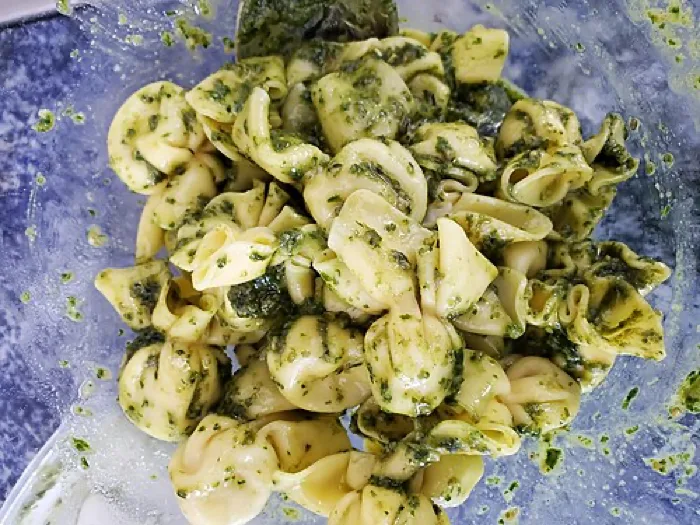
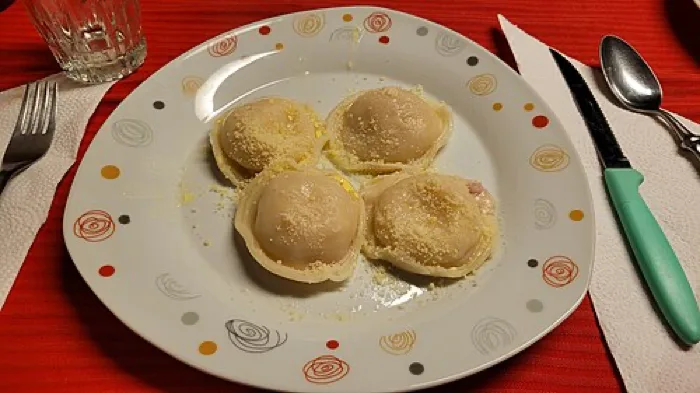
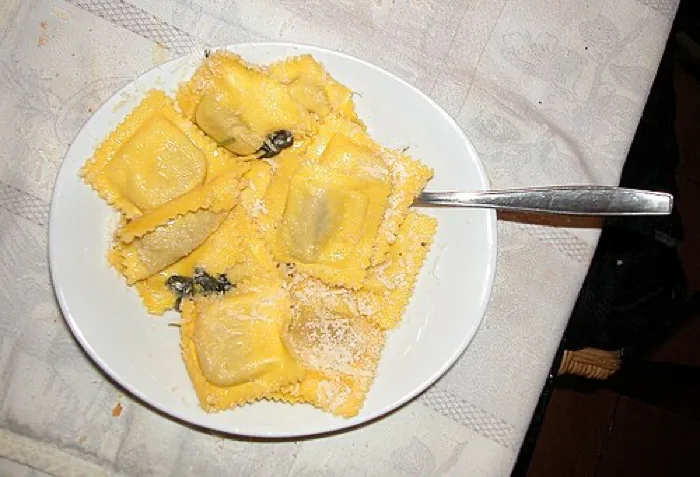
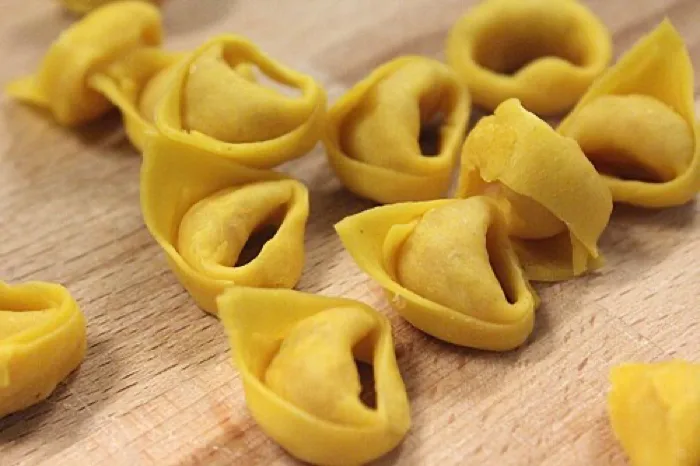
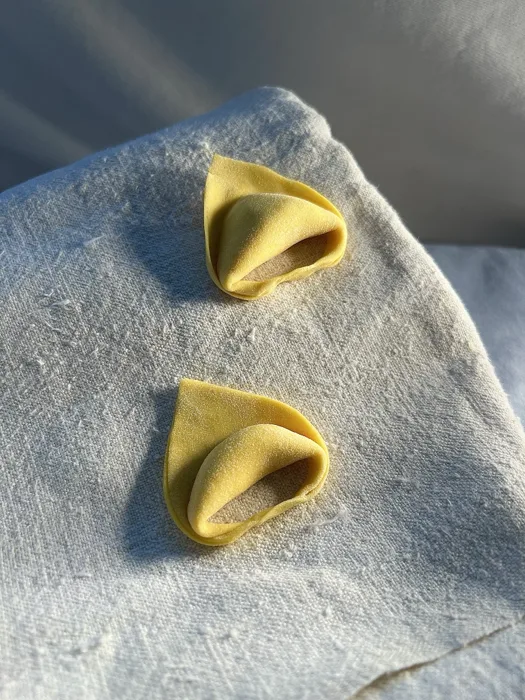
Everyday Pasta, Ranked
Most pasta nights come down to a handful of shapes that are easy to find, forgiving to cook and happy with whatever sauce is already in the fridge. This board ranks the shapes that earn a permanent spot in the pantry, weighing availability, how evenly they cook and how well they carry everyday sauces. The top tier is the weeknight shortlist; the lower tiers are the shapes worth seeking out when you want a change.
Spaghetti
Penne
Rigatoni
Fusilli Bucati
Farfalle
Macaroni
Conchiglie
Linguine
Fettuccine
Tagliatelle
Ziti
Cavatappi
Gemelli
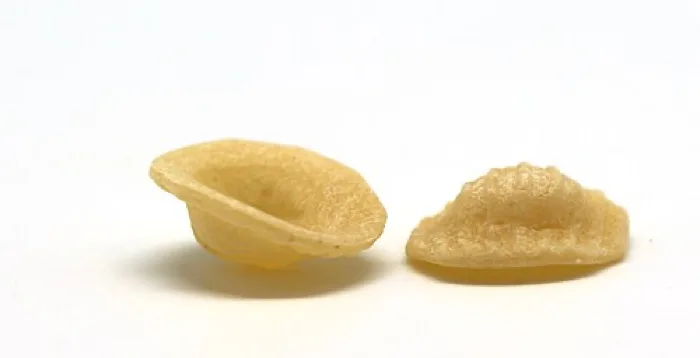
Orecchiette
Tortellini
Ravioli
Rotelle
Ditali
Bucatini
Pappardelle
Lasagna
Capellini
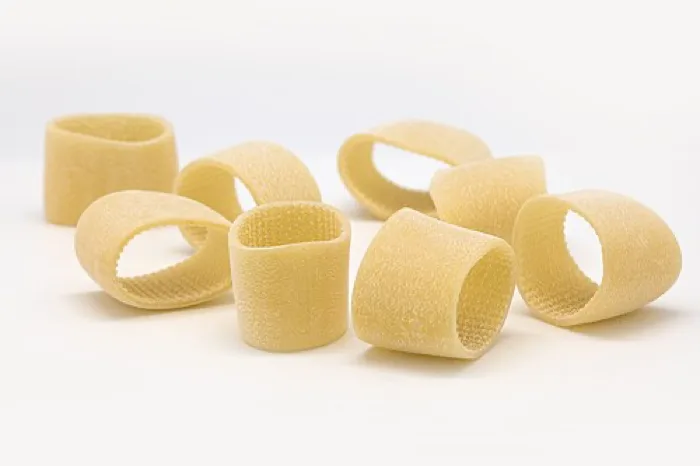
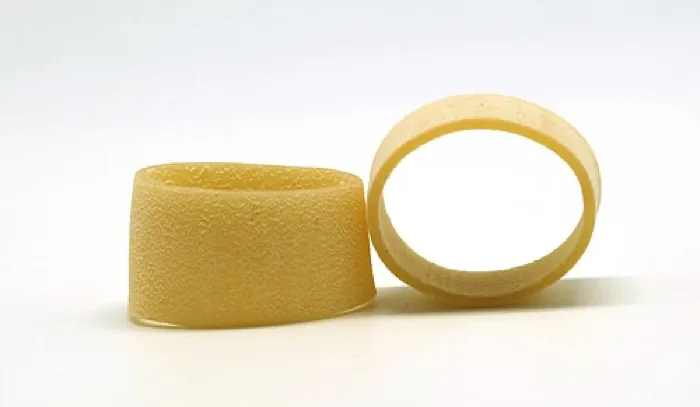
Paccheri
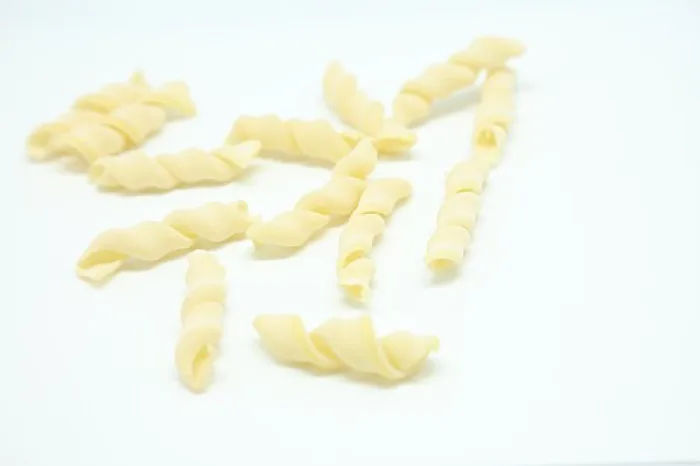
Casarecce
Trofie
Gnocchi
Orzo
Pastina
Anellini
Bavette
Bigoli
Pici
Strozzapreti
Malloreddus
Fregula
Stelle
Long Pasta, Ranked
Long pasta is about surface and flow: thin strands catch light oil and seafood, ribbons hold ragù, and wide sheets turn into baked layers. This board ranks the long and medium-length shapes by how well they balance bite, sauce coverage and the way they twirl on a fork. It ranges from the universal spaghetti to regional specialties that are worth the hunt.
Spaghetti
Linguine
Fettuccine
Tagliatelle
Pappardelle
Bucatini
Capellini
Vermicelli
Ziti
Lasagna
Spaghetti Alla Chitarra
Spaghettoni
Trenette
Tagliolini
Bavette
Bigoli
Busiate
Fedelini
Ferrazzuoli
Fileja
Lagane
Lasagnette
Mafalde
Perciatelli
Maccheroni Alla Molinara
Maccheroncini Di Campofilone
Picagge
Pici
Rustiche
Sagne Ncannulate
Scialatelli
Stringozzi
Short Pasta, Ranked
Short pasta is the widest family in the pantry, and the shape decides how much sauce travels with every bite. Tubes, twists, shells and ruffled ribbons each have a texture that works differently with thick ragù, vegetables or a simple tomato sauce. This board ranks the short-cut shapes by versatility, sauce pickup and how reliably they hold their bite.
Penne
Rigatoni
Fusilli Bucati
Farfalle
Macaroni
Conchiglie
Cavatappi
Gemelli
Paccheri
Radiatori
Pipe Rigate
Rotelle
Casarecce
Trofie
Strozzapreti
Mezze Maniche
Sedani
Tortiglioni
Anelli
Calamarata
Campanelle
Cavatelli
Chifferi
Creste Di Gallo
Garganelli
Gomiti
Mafaldine
Malloreddus
Maltagliati
Penne Ricce
Pizzoccheri
Sagnette
Sagnarelli
Treccioni
Trenne
Vesuvio
Boccoli
Cappelli Da Chef
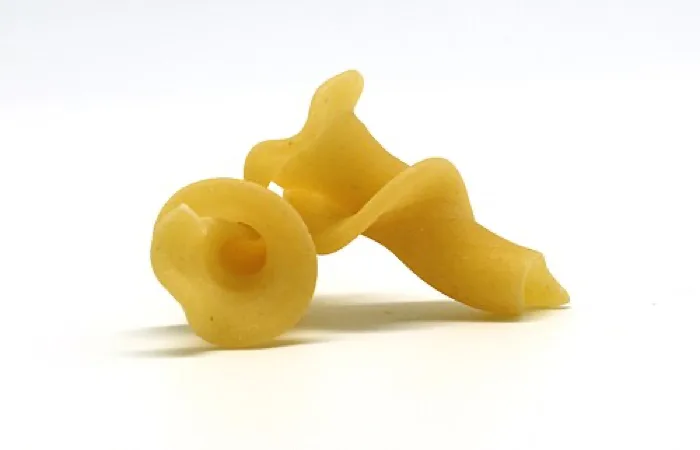
Cascatelli
Castellane
Cicioneddos
Festoni
Gnocchi
Lanterne
Lorighittas
Mandala
Nuvole
Passatelli
Picchiarelli
Quadrefiore
Riccioli
Ricciolini
Ricciutelle
Rombi
Testaroli
Stuffed Pasta, Ranked
Stuffed pasta is a different craft: the filling, the seal and the thickness of the dough all matter as much as the shape. This board ranks the filled shapes by how well they balance pasta and filling, how neatly they cook and how much they reward a simple butter or tomato finish. It covers the classics and the regional parcels that deserve more attention.
Ravioli
Tortellini
Agnolotti
Cappelletti
Tortelloni
Mezzelune
Pansotti
Casoncelli
Cannelloni
Fagottini
Agnolini
Casunziei
Culurgioni
Caramelle
Sacchettoni
Tortelli
Caccavelle
Lumache
Pavese Agnolotti
Sorrentinos
Small & Soup Pasta, Ranked
Small pasta is built for broth, minestrone and quick lunches, where a spoonful should carry pasta, liquid and vegetables together. This board ranks the little shapes by how well they hold their texture in liquid, how evenly they cook and how much they add to a bowl beyond bulk. The top tier is the soup-drawer essential; the rest is for anyone who wants more variety in the pantry.
Orzo
Ditali
Pastina
Stelle
Acini Di Pepe
Anellini
Conchigliette
Farfalline
Filini
Fregula
Gramigna
Quadrettini
Tripolini
Alphabet Pasta
Corallini
Grattini
Occhi Di Pernice
Piombi
Sorprese
Stortini
Cuscussu
Egg Barley
Ptitim
Baked Pasta, Ranked
Baked pasta needs a shape that can stand up to a long spell in the oven without collapsing into mush. Tubes, ridged shells and wide sheets are ranked here by how well they hold sauce, support a topping and keep their structure under cheese and heat. The top tier is the shortlist for lasagna, baked ziti and Sunday-style trays.
Lasagna
Cannelloni
Rigatoni
Ziti
Penne
Paccheri
Conchiglie
Farfalle
Fusilli Bucati
Macaroni
Mezze Maniche
Sedani
Tortiglioni
Cavatappi
Casarecce
Gemelli
Radiatori
Rotelle
Mafaldine
Gnocchi
Malloreddus
Calamarata
Campanelle
Chifferi
Lumache
Sagnarelli
Sauce Magnets, Ranked
The best sauce shape is the one that carries more sauce than pasta in every forkful. This board ranks shapes by surface area, ridges, hollows and curves, weighing how much sauce they trap and how well they keep their bite after a hard toss. It moves from the heavy-ragù champions to the delicate shapes that belong with butter, oil or a light tomato.
Rigatoni
Paccheri
Orecchiette
Fusilli Bucati
Conchiglie
Penne
Radiatori
Farfalle
Casarecce
Cavatappi
Trofie
Gemelli
Pipe Rigate
Rotelle
Bucatini
Linguine
Spaghetti
Pappardelle
Fettuccine
Tagliatelle
Strozzapreti
Malloreddus
Capellini
Vermicelli
Anellini
Ditali
Orzo
Pastina
Want to rank them yourself? Open the Tier Maker tab.
How many characters will participate?
Click a character to advance, or roll the match. An empty slot sends the other fighter through.
Available
Drag or click a character to add it. Place it over a line to share two sides. Edit or drag the labels; use arrow keys to move a focused character and Delete to return it.


